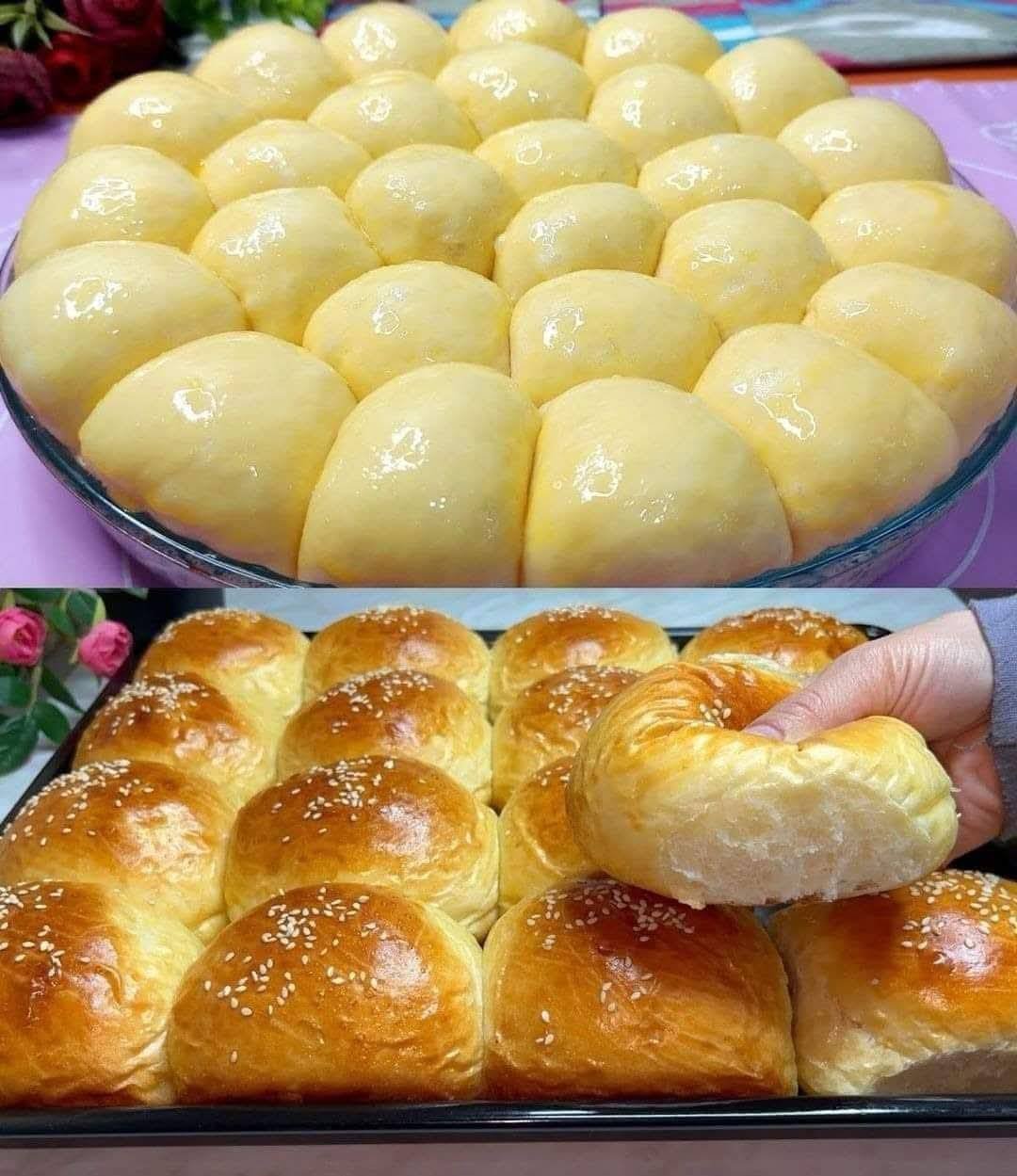
There’s something magical about pulling a tray of warm, golden rolls out of the oven—the aroma, the softness, the melt-in-your-mouth buttery texture. Soft and buttery homemade rolls are the perfect companion to almost any meal, from hearty dinners to light breakfasts. Whether served with soups, roasted meats, or simply spread with butter and jam, these rolls are pure comfort food.
🍽️ Free Weekly
Recipes
Get Authentic Hungarian Recipes Every
Week
Join thousands of home cooks. Traditional recipes delivered to
your inbox — free, every week.
No spam. Unsubscribe anytime.
🧾 Nutritional Information (Per Roll – Approximate)
Calories: 160–190 kcal
Carbohydrates: 22–25 g
Protein: 4–5 g
Fat: 6–8 g
Sugar: 3–5 g
Fiber: 1 g
Sodium: 150–200 mg
🛒 Ingredients
For the Dough:
3 ½ cups all-purpose flour
2 ¼ tsp active dry yeast (1 packet)
1 cup warm milk (about 40°C)
¼ cup granulated sugar
1 tsp salt
1 large egg
¼ cup unsalted butter (softened)
For Brushing:
2 tbsp melted butter
🍳 Instructions
Step 1: Activate the Yeast
In a bowl, combine warm milk, sugar, and yeast. Let it sit for 5–10 minutes until foamy.
Step 2: Mix the Dough
Add egg, softened butter, and salt. Gradually mix in flour until a soft dough forms.
Step 3: Knead
Knead the dough on a floured surface for 8–10 minutes until smooth and elastic.
Step 4: First Rise
Place the dough in a greased bowl, cover, and let it rise for 1–1.5 hours until doubled in size.
Step 5: Shape the Rolls
Punch down the dough and divide into 12–15 equal pieces. Shape into balls and place in a greased baking dish.
Step 6: Second Rise
Cover and let rise again for 30–45 minutes until puffy.
Step 7: Bake
Bake in a preheated oven at 180°C for 15–20 minutes until golden brown.
Step 8: Butter Finish
Brush warm rolls with melted butter for extra softness and shine.
🍞 Methods & Tips
1. Hand Kneading Method
Traditional and gives you full control over texture.
2. Stand Mixer Method
Use a dough hook to knead for 5–6 minutes—saves time and effort.
3. Overnight Method
Refrigerate dough after first rise for slow fermentation and deeper flavor.
Pro Tips:
Use warm—not hot—milk to avoid killing the yeast.
Don’t over-flour; soft dough = soft rolls.
Brushing with butter right after baking keeps them moist.
📜 History
Soft dinner rolls have roots in European bread-making traditions, especially in countries like Germany and France, where enriched doughs (with butter, milk, and eggs) became popular. Over time, these rolls evolved into the fluffy, slightly sweet versions loved today, especially in American and global cuisines.
🧪 Formation (The Science Behind It)
Yeast Fermentation: Produces carbon dioxide, making the dough rise.
Butter & Milk: Add richness, tenderness, and flavor.
Egg: Improves texture and color.
❤️ Lovers of This Recipe
Families who enjoy homemade comfort food
Bread lovers and baking enthusiasts
Anyone who appreciates soft, fluffy textures
Perfect for holiday meals and gatherings
🔄 Variations & Methods to Try
Garlic Butter Rolls: Add minced garlic to the butter topping
Herb Rolls: Mix dried herbs like thyme or rosemary into the dough
Cheese Rolls: Stuff with mozzarella or cheddar
Whole Wheat Version: Substitute half the flour for whole wheat
🏁 Conclusion
Soft and buttery homemade rolls are a timeless classic that bring warmth and satisfaction to any table. With simple ingredients and a bit of patience, you can create bakery-quality rolls right at home. Once you try them fresh out of the oven, you’ll never want store-bought again!
To provide the best experiences, we use technologies like cookies to store and/or access device information. Consenting to these technologies will allow us to process data such as browsing behavior or unique IDs on this site. Not consenting or withdrawing consent, may adversely affect certain features and functions.
Functional
Always active
The technical storage or access is strictly necessary for the legitimate purpose of enabling the use of a specific service explicitly requested by the subscriber or user, or for the sole purpose of carrying out the transmission of a communication over an electronic communications network.
Preferences
The technical storage or access is necessary for the legitimate purpose of storing preferences that are not requested by the subscriber or user.
Statistics
The technical storage or access that is used exclusively for statistical purposes.The technical storage or access that is used exclusively for anonymous statistical purposes. Without a subpoena, voluntary compliance on the part of your Internet Service Provider, or additional records from a third party, information stored or retrieved for this purpose alone cannot usually be used to identify you.
Marketing
The technical storage or access is required to create user profiles to send advertising, or to track the user on a website or across several websites for similar marketing purposes.