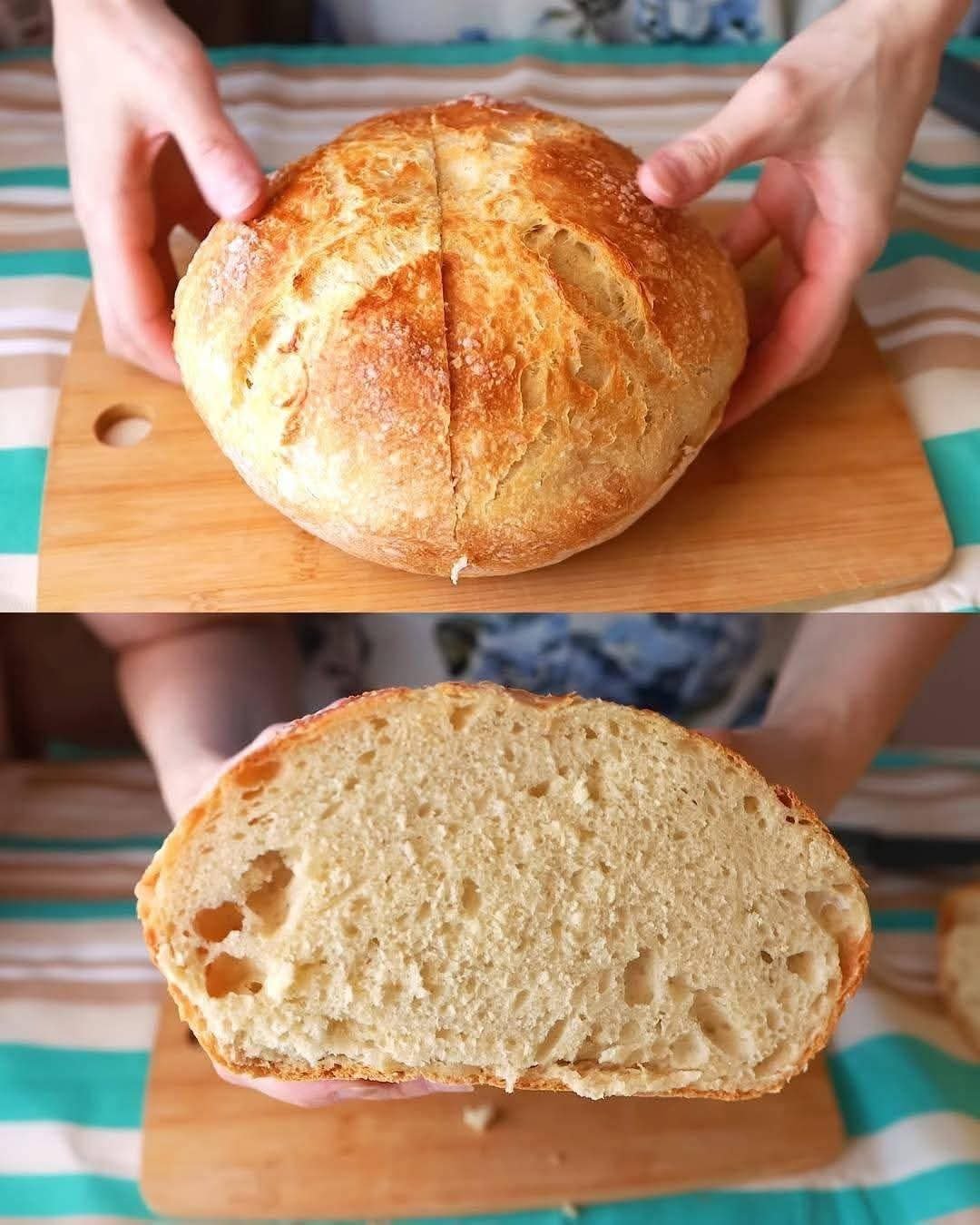
Seeded no-knead jar bread is a rustic, wholesome loaf that combines the simplicity of no-knead baking with the earthy crunch of mixed seeds. Inspired by artisan traditions, this bread requires minimal effort yet delivers a bakery-quality result. Using a jar or covered vessel traps steam during baking, creating a beautifully crisp crust and soft, airy crumb—no professional equipment needed.
🍽️ Free Weekly
Recipes
Get Authentic Hungarian Recipes Every
Week
Join thousands of home cooks. Traditional recipes delivered to
your inbox — free, every week.
No spam. Unsubscribe anytime.
🧾 Nutritional Information (Approx. per slice)
Calories: 160–190 kcal
Carbohydrates: 28 g
Protein: 5–6 g
Fat: 4–6 g
Fiber: 3–5 g
Rich in: magnesium, healthy fats, plant protein
(Values vary depending on seed mix and flour used.)
🛒 Ingredients
3 cups all-purpose or bread flour
1½ tsp salt
½ tsp instant yeast
1½ cups warm water
½ cup mixed seeds (sunflower, sesame, flax, pumpkin)
1 tbsp olive oil (optional, for flavor)
Extra flour or semolina for dusting
🔪 Instructions
Step 1: Mix the Dough
In a large bowl, combine flour, salt, yeast, and seeds. Add warm water and mix with a spoon until a sticky dough forms. No kneading required.
Step 2: First Rise
Cover the bowl with plastic wrap or a cloth and let it rest at room temperature for 12–18 hours. The dough should become bubbly and doubled in size.
Step 3: Shape the Dough
Lightly flour your surface, gently fold the dough onto itself a few times, and shape into a round ball. Let it rest for 30–60 minutes.
Step 4: Preheat the Jar/Pot
Place a heatproof jar, Dutch oven, or covered pot in the oven and preheat to 230°C (450°F).
Step 5: Bake
Carefully place the dough into the hot jar/pot. Cover with lid and bake for 30 minutes. Remove lid and bake another 10–15 minutes until golden brown.
Step 6: Cool
Let the bread cool completely before slicing to allow the texture to set.
🍞 Methods & Tips
Cold fermentation method: Let dough rise in the fridge for deeper flavor.
Whole grain option: Replace part of the flour with whole wheat for added nutrition.
Seed coating method: Roll shaped dough in seeds before baking for extra crunch.
Steam method alternative: If no jar, place water in a tray inside the oven to create steam.
📜 History
No-knead bread gained global popularity in 2006 thanks to baker Jim Lahey, who introduced a revolutionary technique that simplified traditional bread-making. The method echoes ancient baking practices where time and natural fermentation replaced intensive kneading.
Seeds have been added to bread for centuries across cultures, from Middle Eastern flatbreads to European multigrain loaves, symbolizing nourishment and longevity.
🧪 Formation (How It Works)
Hydration: High water content creates a loose dough that forms gluten naturally over time.
Fermentation: Yeast slowly develops flavor and structure.
Steam baking: The sealed jar traps moisture, producing a crispy crust.
Seeds integration: Adds texture, oils, and nutrients to the crumb.
❤️ Lovers of This Bread
Health-conscious eaters who enjoy fiber-rich foods
Artisan bread enthusiasts
Busy home cooks who want simple recipes
Vegans and vegetarians
Anyone who loves crunchy, nutty textures
🧑🍳 Creative Variations (Methods by Lovers)
Add honey and oats for a slightly sweet breakfast loaf
Mix in dried fruits like raisins or cranberries
Use spices like cumin or fennel seeds for a Moroccan-inspired twist
Replace water with milk for a softer crumb
Add olives and herbs for a Mediterranean style
🏁 Conclusion
Seeded no-knead jar bread is proof that great baking doesn’t require complexity. With patience and simple ingredients, you can create a nourishing, flavorful loaf at home. Whether enjoyed with olive oil, cheese, or soups, this bread brings warmth and satisfaction to every table.
To provide the best experiences, we use technologies like cookies to store and/or access device information. Consenting to these technologies will allow us to process data such as browsing behavior or unique IDs on this site. Not consenting or withdrawing consent, may adversely affect certain features and functions.
Functional
Always active
The technical storage or access is strictly necessary for the legitimate purpose of enabling the use of a specific service explicitly requested by the subscriber or user, or for the sole purpose of carrying out the transmission of a communication over an electronic communications network.
Preferences
The technical storage or access is necessary for the legitimate purpose of storing preferences that are not requested by the subscriber or user.
Statistics
The technical storage or access that is used exclusively for statistical purposes.The technical storage or access that is used exclusively for anonymous statistical purposes. Without a subpoena, voluntary compliance on the part of your Internet Service Provider, or additional records from a third party, information stored or retrieved for this purpose alone cannot usually be used to identify you.
Marketing
The technical storage or access is required to create user profiles to send advertising, or to track the user on a website or across several websites for similar marketing purposes.