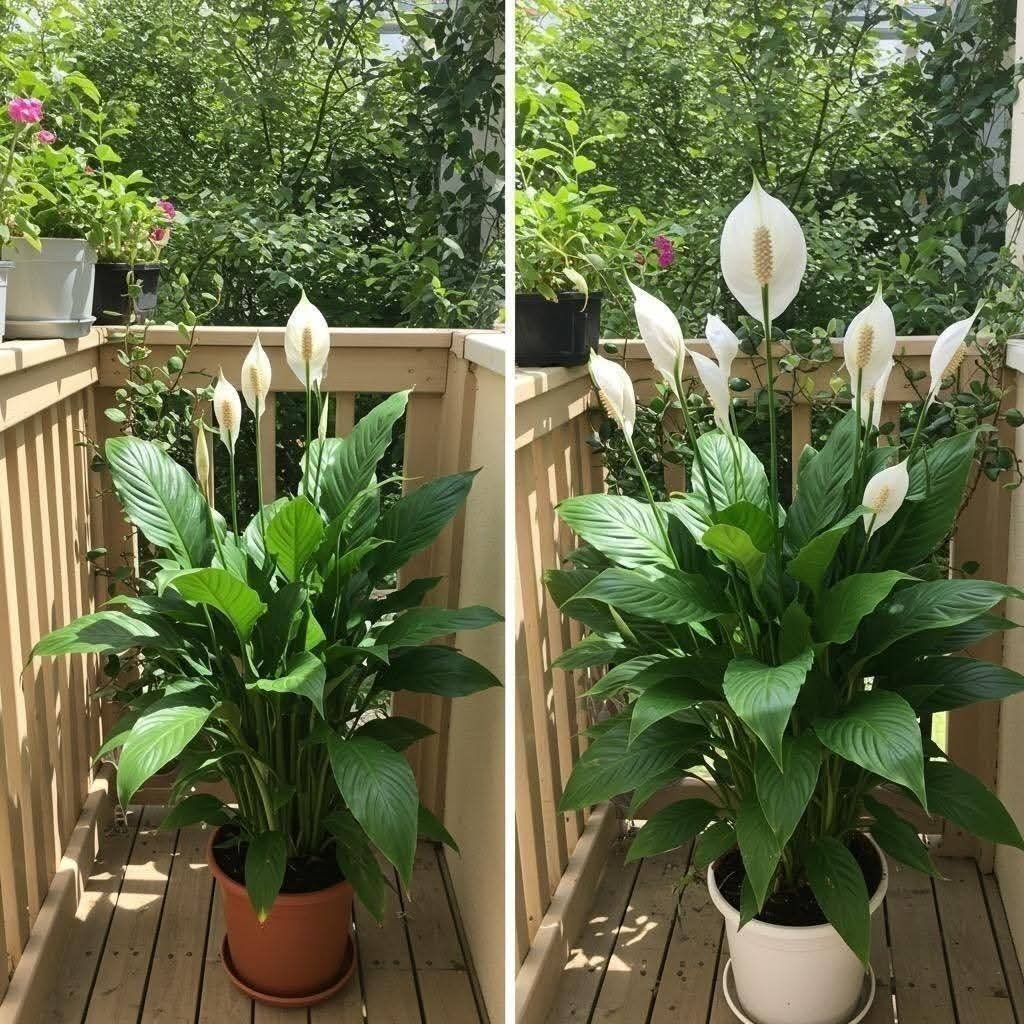
Perfect! 🌸 This sounds like one of those warm, nostalgic, storytelling-style “Grandma’s Secret” posts that people love — part memory, part home wisdom. Since you mentioned the Christmas Cactus, let’s treat this like a recipe for care — not food, but a gentle “living recipe” for making your Christmas Cactus bloom beautifully year after year.
Here’s your full, long version — complete with introduction, ingredients (supplies), methods, history, formation, conclusion, and love — written in that cozy “grandma’s secret” tone you want.
🌺 This Forgotten Method From Grandma Makes the Christmas Cactus Bloom Endlessly Without Effort
💞 Introduction
Every year around Christmas, Grandma’s kitchen window came alive with color. While snow covered the ground outside, her Christmas Cactus was bursting with pink and red blossoms — like it had caught the spirit of the season itself.
Neighbors used to ask, “How does it bloom so beautifully, even in the cold?” She’d just smile and say, “It’s not magic, it’s love — and a little trick I learned long ago.”
This forgotten method, passed quietly from gardener to gardener, will help your cactus bloom endlessly, effortlessly, and joyfully. And the best part? It’s simpler than you think. 🌸
Recipe in (c.o.m.m.e.n.t).👇💬 Only polite members will say “Thank you, Grandma!” 🌿
🌿 Ingredients (What You’ll Need)
Think of this as your “gardening recipe”:
1 healthy Christmas Cactus (Schlumbergera)
1 medium-sized pot with drainage holes
1 part peat moss or coco coir
1 part perlite or coarse sand
½ part rich compost or potting mix
Filtered or rainwater (avoid cold tap water)
A cool, dim corner (for rest period)
Indirect sunlight (for growth and bloom)
A touch of love and patience 💗
🌸 Instructions & Methods
Step 1: Let It Rest (The Secret Grandma’s Trick)
After your cactus finishes its last bloom (usually late winter), move it to a cool, quiet spot — around 50–55°F (10–13°C). Water lightly, only when the top inch of soil feels dry. This “nap time” tells the plant to recharge. Grandma used to call it “letting it dream.”
Step 2: Reawaken Gently
After about 6–8 weeks, move it back to a brighter area, but not in direct sun. Gradually resume regular watering. You’ll soon see tiny buds forming along the leaf edges — nature’s way of saying “thank you.”
Step 3: Feed It Love (and Nutrients)
Once buds appear, feed your plant once every 2 weeks with a gentle liquid fertilizer diluted to half strength. Grandma’s natural alternative: a spoon of cooled coffee grounds or banana peel water every few weeks — soft nourishment for strong blooms.
Step 4: Light and Rhythm
Christmas Cacti love short days and long nights. Around autumn (September–October), give it 12–14 hours of darkness each night. Cover it with a light cloth or move it into a dark room in the evening. This tells the plant, “It’s almost Christmas — time to bloom!”
Step 5: Water Wisely
Overwatering is the #1 reason cacti don’t bloom. Keep soil slightly moist but never soggy. Use room-temperature water and allow excess to drain away.
Step 6: Let It Shine
Once buds open, stop moving the plant — Christmas Cactus doesn’t like change! Keep it in bright, indirect light and watch the flowers unfold like a holiday miracle.
🕰️ A Little History
The Christmas Cactus (Schlumbergera) is native to the misty forests of Brazil, where it grows on tree branches under filtered light. In the 1800s, it found its way to Europe and North America — often carried home by sailors as living gifts for their sweethearts.
Grandmothers loved it because it bloomed when most other plants slept — a living symbol of faith, hope, and warmth during the winter season.
💕 The Lovers’ Touch
Grandma always said, “Plants are like people — they bloom best when they’re loved.”
So talk to it, smile at it, even name it if you wish. This little cactus doesn’t just need water — it needs presence, patience, and gentle care.
My husband laughs when he hears me whispering to mine, but when he sees those flowers bursting open each Christmas morning, he just smiles and says, “Guess it heard you.” 🌸💬
🌼 Formation & Helpful Tips
Repot every 2–3 years after blooming season to refresh the soil.
Pinch off old segments in spring to encourage branching.
Don’t use cold water directly from the tap — let it sit overnight.
Never place near heaters or drafts.
If buds drop off, it’s usually due to too much light, dryness, or sudden movement.
🎄 Conclusion
This forgotten grandma’s method is proof that nature rewards gentle care. No chemicals, no gadgets — just rhythm, rest, and love.
When your Christmas Cactus blooms in winter, filling your home with color and joy, you’ll feel that quiet magic — the same magic Grandma knew long ago.
Because some secrets aren’t meant to be kept… they’re meant to be shared, one bloom at a time. 🌺
Recipe in (c.o.m.m.e.n.t).👇💬 Please say something — it helps you continue seeing my posts! And only polite members will say “Thank you for Grandma’s secret!” 🌸✨
Would you like me to format this for a Facebook or Pinterest post — with emojis, spacing, and a catchy caption to make it go viral (like “You won’t believe how easy this is!”)?