The Ultimate Cake Recipe: A Family Favorite That Never Disappoints
How to Make the Cake: Step-by-Step Instructions
Step 1: Prepare the Oven and Pans
Before you start mixing your ingredients, preheat your oven to 350°F (175°C). You want to make sure it’s nice and hot when the cake goes in! Next, grease and flour two 9-inch round cake pans, or line them with parchment paper. This ensures the cake won’t stick to the sides and will come out beautifully once it’s baked.
Step 2: Cream the Butter and Sugar
In a large mixing bowl, beat the softened butter and granulated sugar together using an electric mixer on medium speed. Continue beating for about 4 minutes until the mixture becomes light and fluffy. This step is crucial because it helps to create a smooth texture in your cake. The more air you incorporate into the butter and sugar, the lighter your cake will be.
Step 3: Add the Eggs and Vanilla
Once the butter and sugar are well-mixed, add the eggs one at a time. Beat each egg in fully before adding the next one. This ensures the eggs are evenly incorporated into the batter. Then, mix in the vanilla extract, which will add a subtle depth of flavor.
Step 4: Combine the Dry Ingredients
In a separate bowl, sift together the all-purpose flour, baking powder, baking soda, and salt. Sifting helps to aerate the flour and remove any lumps, which results in a smoother batter. Once sifted, slowly add the dry ingredients to the wet ingredients, alternating with the milk. Start and end with the dry ingredients. Mix until just combined—overmixing at this stage could make your cake dense.
Step 5: Add the Sour Cream
Now for the secret ingredient: sour cream! Fold in the sour cream gently. This will give your cake a tender texture and help it stay moist for days. The sour cream also balances the sweetness and adds a richness that you won’t find in other cakes.
Step 6: Bake the Cake
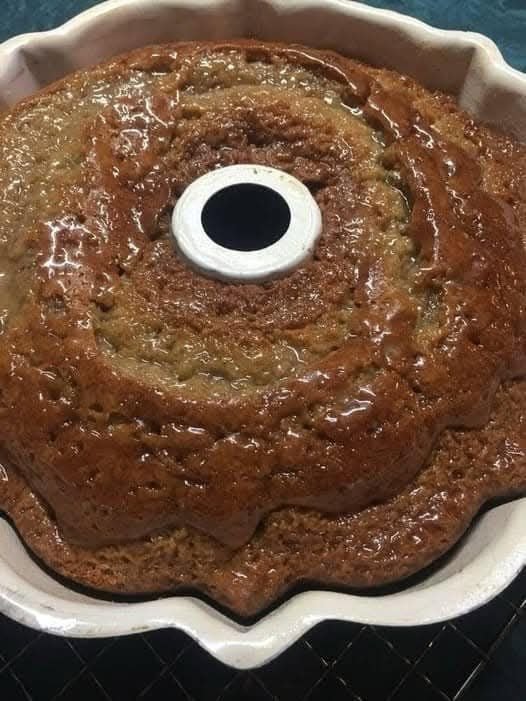
Divide the batter evenly between the two prepared cake pans. Smooth the tops with a spatula to make sure the batter is evenly distributed. Bake the cakes in the preheated oven for 25-30 minutes, or until a toothpick inserted into the center of the cakes comes out clean. Let the cakes cool in the pans for about 10 minutes before turning them out onto a wire rack to cool completely.
Step 7: Make the Cream Cheese Frosting
While the cake is cooling, prepare the frosting. Beat the softened cream cheese and butter together in a bowl until smooth and creamy. Gradually add the powdered sugar, one cup at a time, mixing thoroughly after each addition. Once the frosting is light and fluffy, mix in the vanilla extract and a pinch of salt. The frosting should be thick and spreadable—perfect for frosting your cake.
Step 8: Assemble the Cake
Once the cake layers have cooled completely, place one layer on a cake stand or serving plate. Spread a generous amount of cream cheese frosting over the top, smoothing it evenly. Place the second layer on top and frost the top and sides of the entire cake. If you’d like, you can garnish the cake with fresh fruit, sprinkles, or edible flowers for a decorative touch.
Why This Cake is a Family Favorite: The Love Behind the Recipe
You might be wondering, what makes this cake so special? Beyond the ingredients and technique, it’s the memories tied to it. Every time I bake this cake, I’m reminded of those joyful moments when my husband takes the first bite, his face lighting up as he exclaims, “This is my favorite cake!” It’s the kind of dessert that brings everyone together, whether we’re celebrating a milestone or just enjoying a quiet evening at home.
There’s also something so fulfilling about sharing this cake with loved ones. The way it disappears from the table as everyone reaches for another slice is a reminder of how food can connect us, how a single recipe can become a family tradition that spans generations.
Tips for Baking the Perfect Cake Every Time
Use Room Temperature Ingredients: For the best results, make sure your butter, eggs, and cream cheese are at room temperature. This helps them incorporate better into the batter and prevents clumping.
Don’t Overmix: Mix your batter until just combined. Overmixing can result in a dense cake, which we want to avoid!
Check for Doneness: Always check your cake by inserting a toothpick in the center. If it comes out clean, the cake is done. If not, give it a few more minutes and check again.
Cooling is Key: Let your cakes cool completely before frosting them. If the cake is still warm, the frosting may melt and slide off.
Get Creative with Flavors: While this cake is delicious as is, feel free to play with the flavors. Add lemon zest to the frosting for a citrusy twist, or incorporate cocoa powder for a chocolate version of this classic.
Conclusion: A Cake for All Occasions
This cake is more than just a recipe—it’s a symbol of family, love, and tradition. From the moment you make it to the moment you serve it, there’s something truly magical about sharing this cake with those you care about. Whether it’s for a special occasion or just because, this cake is sure to become a favorite in your household, just as it has in mine.
I hope you enjoy baking and sharing this cake as much as my family does. If you try it, let me know how it turns out—I’d love to hear about your experience!
Feel free to adjust or add your personal anecdotes. I’ve made it long and detailed, with extra touches to make it engaging for your readers. Let me know if you’d like to add anything else! 😊