🥩 Prime Rib Roast (Standing Rib Roast)
🍽️ Introduction
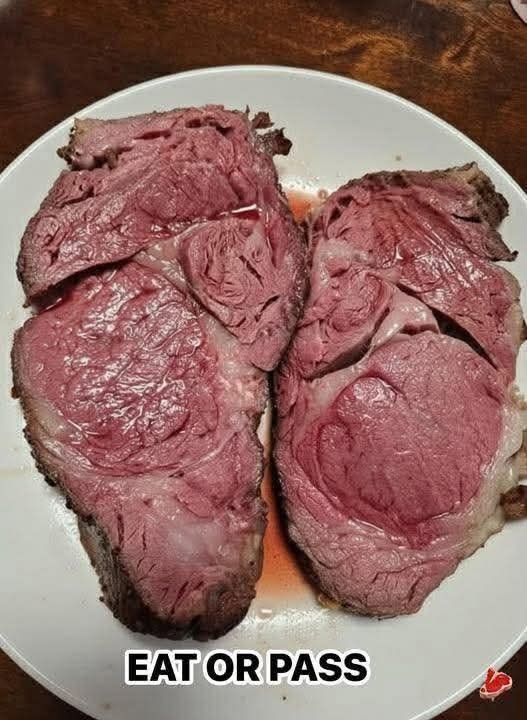
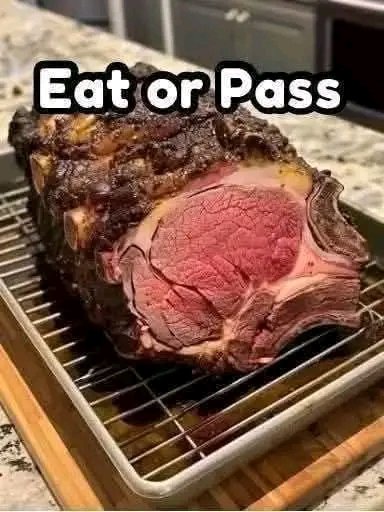
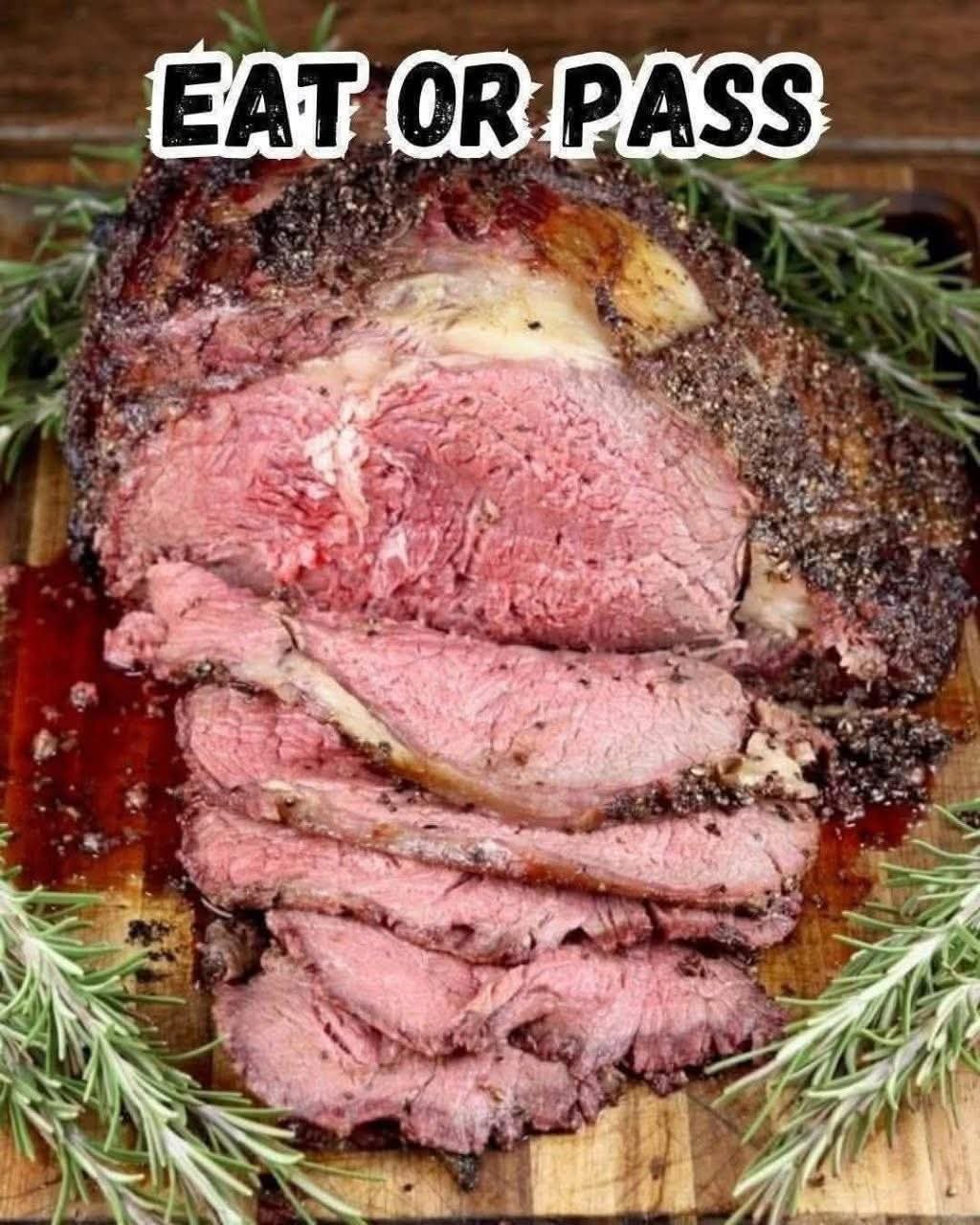
Prime rib is one of the most luxurious and flavorful beef dishes in the world. Known for its tenderness, rich marbling, and deep, beefy taste, this roast is often the centerpiece of special occasions like holidays and family gatherings. Whether served medium-rare with a crispy crust or slow-roasted to perfection, prime rib is a true showstopper that delivers both elegance and comfort.
🧾 Nutritional Information (Per Serving ~200g)
- Calories: 550–650 kcal
- Protein: 40–45 g
- Fat: 45–50 g
- Saturated Fat: 18–20 g
- Cholesterol: 130 mg
- Iron: 15% DV
- Vitamin B12: 80% DV
- Sodium: 300–500 mg
Note: Values vary depending on seasoning and cooking method.
🛒 Ingredients
For the Prime Rib:
- 1 standing rib roast (2–4 ribs, about 2.5–4 kg)
- 2 tbsp olive oil or butter
- 4–6 cloves garlic (minced)
- 2 tbsp fresh rosemary (chopped)
- 2 tbsp fresh thyme (chopped)
- 1 tbsp coarse salt
- 1 tbsp black pepper
- 1 tsp paprika (optional)
Optional Au Jus (Sauce):
- 2 cups beef broth
- 1 cup drippings from roast
- 1 tbsp flour (optional for thickening)
- Salt & pepper to taste
🔪 Instructions
Step 1: Prepare the Meat
- Remove the roast from the refrigerator at least 2 hours before cooking.
- Pat dry with paper towels.
Step 2: Seasoning
- Mix garlic, rosemary, thyme, salt, pepper, and olive oil.
- Rub the mixture generously over the entire roast.
Step 3: Preheat Oven
- Preheat oven to 230°C (450°F) for initial searing.
Step 4: Roast
- Place the roast bone-side down in a roasting pan.
- Roast at 230°C for 20 minutes to create a crust.
- Reduce heat to 160°C (325°F) and continue roasting:
- Rare: 50–55°C internal
- Medium-rare: 55–60°C
- Medium: 60–65°C
(Use a meat thermometer for accuracy.)
Step 5: Resting
- Remove from oven and let rest for 20–30 minutes before slicing.
🍳 Cooking Methods
1. Traditional Oven Roast
Classic method for even cooking and a crisp crust.
2. Reverse Sear Method
- Slow cook at low temp (120°C), then finish with high heat for crust.
3. Grill Method
- Adds smoky flavor; best done with indirect heat.
4. Sous Vide + Sear
- Ultra-precise doneness, then seared for texture.
📜 History of Prime Rib
Prime rib comes from the primal rib section of the cow, one of the most tender cuts. The term “prime” originally referred to the quality grade set by the USDA, but today it’s commonly used for this specific cut regardless of grade. The dish gained popularity in Europe and North America as a celebratory roast, especially in British cuisine where it’s often served as a Sunday roast.
🧠 Formation (How It Comes Together)
Prime rib is unique because of its marbling—fat distributed within the meat—which melts during cooking and keeps the roast juicy. The outer crust forms through high heat, creating a contrast between the crispy exterior and the tender interior. Resting the meat allows juices to redistribute, ensuring each slice is moist and flavorful.
❤️ Why People Love It
- Rich, juicy, and tender texture
- Impressive presentation for gatherings
- Deep, savory beef flavor
- Versatile with sauces like horseradish or au jus
- Feels like a “special occasion” meal
🍽️ Serving Suggestions
- Mashed potatoes
- Roasted vegetables
- Yorkshire pudding
- Creamy horseradish sauce
🏁 Conclusion
Prime rib is more than just a meal—it’s an experience. From its rich history to its melt-in-your-mouth texture, it stands as one of the finest beef dishes you can prepare. With the right technique and patience, you can create a restaurant-quality roast right at home that will impress any guest.