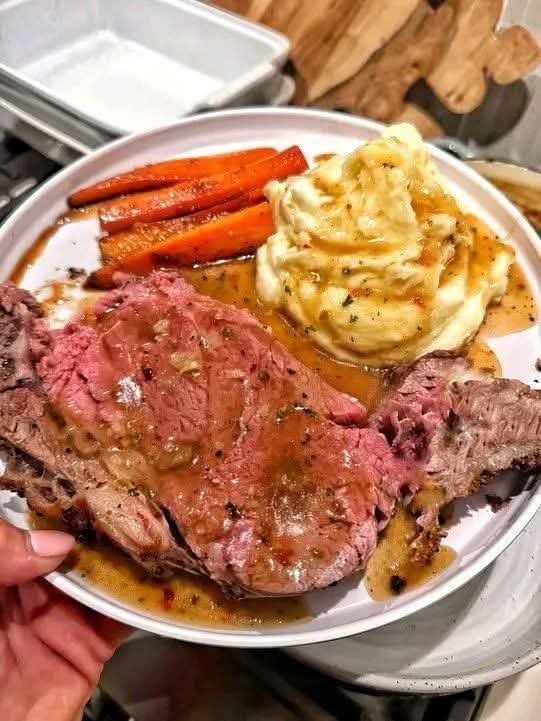
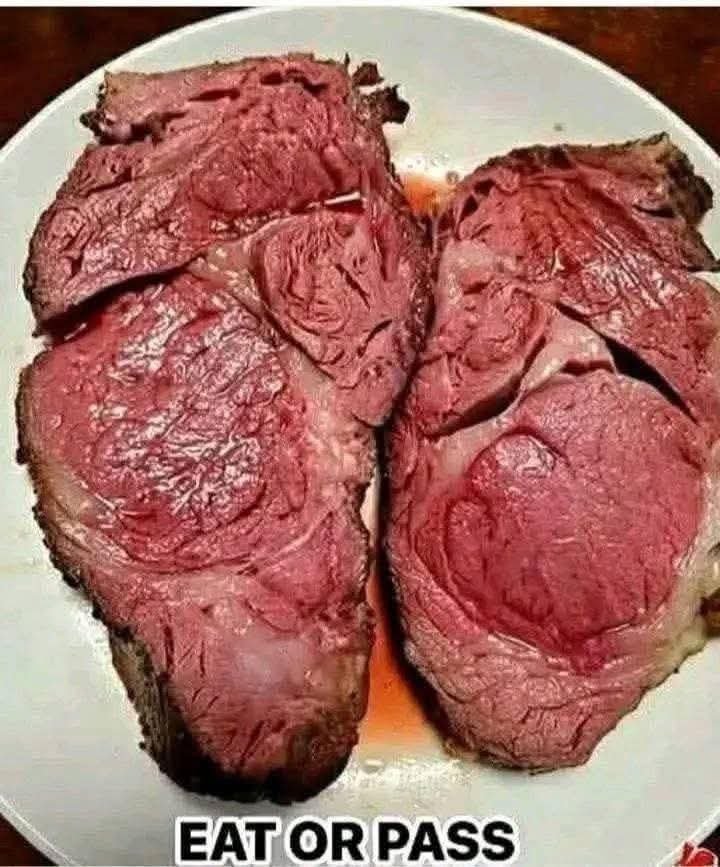
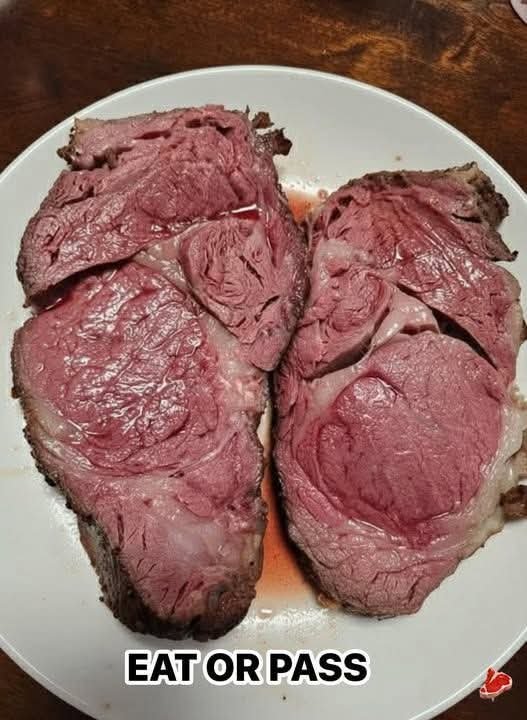
Prime rib, also known as a standing rib roast, is one of the most luxurious and flavorful cuts of beef. Known for its rich marbling, tenderness, and deep beefy taste, it’s often the centerpiece of holiday feasts and celebrations. When cooked properly, prime rib delivers a crispy, seasoned crust with a juicy, melt-in-your-mouth interior.
🧪 Nutritional Information (Approx. per serving)
Calories: 450–600
Protein: 35–40g
Fat: 35–45g
Carbohydrates: 1–3g
Iron: High
Sodium: Moderate (depends on seasoning)
🛒 Ingredients
For the Roast:
1 prime rib roast (2–4 ribs, about 2–4 kg)
2 tbsp olive oil or softened butter
4–5 cloves garlic, minced
2 tbsp fresh rosemary (or 1 tbsp dried)
2 tbsp fresh thyme (or 1 tbsp dried)
1 tbsp coarse salt
1 tbsp black pepper
Optional Add-Ons:
1 tbsp Dijon mustard (for crust)
1 tsp smoked paprika
1 onion (cut into chunks, for roasting base)
2 carrots, chopped
1 cup beef broth or stock
🔪 Instructions
1. Bring to Room Temperature
Remove the roast from the fridge 2 hours before cooking
Place roast fat-side up on a rack in a roasting pan
Roast for 20 minutes to create a crust
5. Lower Temperature
Reduce oven to 120°C (250°F)
Continue cooking until internal temperature reaches:
Rare: 48–50°C
Medium-rare: 52–55°C (recommended)
Medium: 57–60°C
6. Rest the Meat
Remove from oven
Cover loosely with foil
Let rest 20–30 minutes (very important!)
7. Slice & Serve
Slice against the grain
Serve with pan juices or sauce
🔥 Cooking Methods
1. Traditional Oven Roast (Best Method)
Sear high → cook low → rest
Ensures even doneness and juicy texture
2. Reverse Sear Method
Cook at low temp first (120°C)
Finish with high heat (230°C) for crust
Gives more control over doneness
3. Slow Roast Method
Cook entirely at low temperature
Produces ultra-tender, evenly pink meat
📜 History
Prime rib originates from European roasting traditions, especially in England, where it became a staple of Sunday roasts. Over time, it gained popularity worldwide as a premium cut served during holidays like Christmas and special gatherings.
🧩 Formation (What Makes It Special)
Comes from the rib section of the cow
Naturally marbled with fat → adds flavor and tenderness
Usually cooked with bones for extra richness
The fat cap creates a natural self-basting effect
💡 Pro Tips
Use a meat thermometer (essential!)
Don’t skip resting—it locks in juices
Salt the roast overnight for deeper flavor (dry brining)
Place vegetables under the roast for extra flavor
Save drippings for gravy or au jus
❤️ Why People Love Prime Rib
Rich, buttery flavor
Extremely tender texture
Impressive presentation
Perfect for celebrations and gatherings
🍽️ Best Pairings
Mashed potatoes or roasted potatoes
Steamed vegetables or green beans
Yorkshire pudding
Horseradish sauce or au jus
🏁 Conclusion
Prime rib is the ultimate show-stopping dish. With the right technique—high heat sear, slow roasting, and proper resting—you’ll achieve a perfectly juicy, flavorful roast every time. Whether it’s a holiday feast or a special dinner, this recipe guarantees unforgettable results.