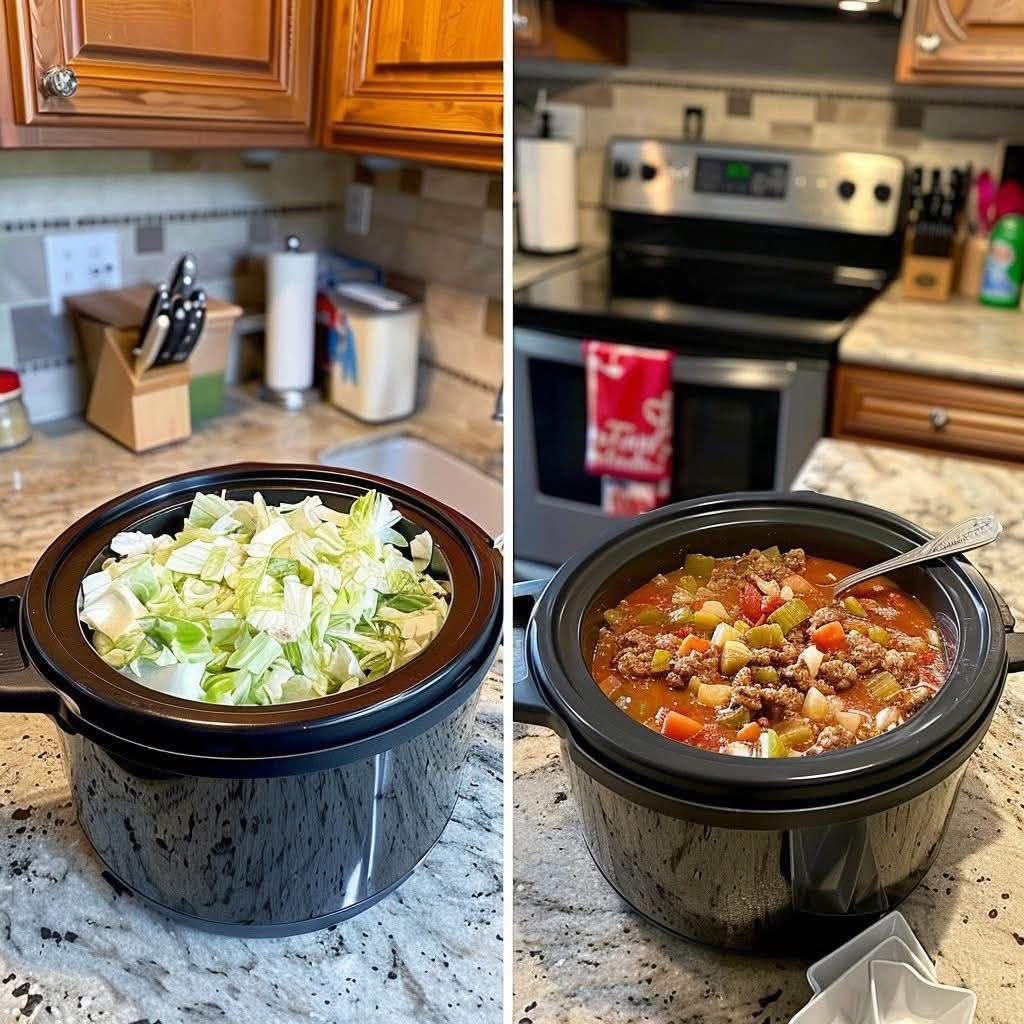
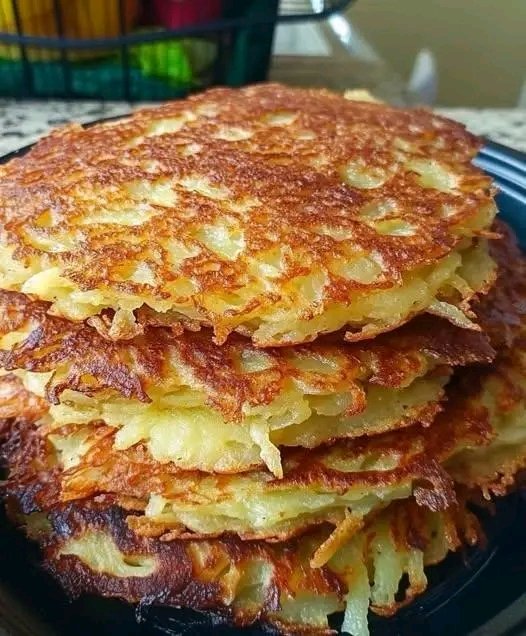
🇩🇪 German Cabbage and Dumplings (Kohl und Knödel)
📝 Introduction
German cabbage and dumplings is a comforting, hearty dish deeply rooted in traditional German home cooking. Known as “Kohl und Knödel”, it combines tender, flavorful cabbage with soft, pillowy dumplings. This meal is especially popular during colder months, offering warmth and nourishment. It reflects the rustic simplicity of German cuisine, where humble ingredients transform into satisfying dishes.
📊 Nutritional Information (Approx. per serving)
- Calories: 420–550 kcal
- Protein: 10–15 g
- Carbohydrates: 55–70 g
- Fat: 15–25 g
- Fiber: 6–9 g
- Sodium: 600–900 mg
Note: Values vary depending on ingredients like butter, bacon, or sausage.
🛒 Ingredients
For the Cabbage:
- 1 medium green cabbage (chopped)
- 1 onion (finely chopped)
- 2 cloves garlic (minced)
- 2 tbsp butter or oil
- 1 cup vegetable or chicken broth
- 1 tsp caraway seeds (optional but traditional)
- Salt and black pepper (to taste)
- 1 tbsp vinegar (optional, for slight tang)
- 100 g bacon or smoked sausage (optional)
For the Dumplings (Knödel):
- 2 cups stale bread cubes or 2 cups flour
- 2 eggs
- ½ cup milk
- 2 tbsp butter (melted)
- 2 tbsp parsley (chopped)
- Salt and nutmeg (to taste)
👨🍳 Instructions
Step 1: Prepare the Cabbage
- Heat butter in a large pot.
- Sauté onion and garlic until fragrant.
- Add bacon or sausage (if using) and cook until browned.
- Stir in chopped cabbage and cook until slightly wilted.
- Pour in broth, add caraway seeds, salt, and pepper.
- Cover and simmer for 25–35 minutes until tender.
- Add vinegar at the end for a balanced flavor.
Step 2: Make the Dumplings
- In a bowl, combine bread cubes or flour with eggs, milk, butter, parsley, and spices.
- Mix until a soft dough forms.
- Shape into medium-sized balls.
- Bring a pot of salted water to a gentle boil.
- Drop dumplings in and cook for 15–20 minutes until they float and are firm.
Step 3: Serve
- Plate the cabbage and top or side with dumplings.
- Garnish with fresh parsley or a drizzle of butter.
🍳 Methods & Cooking Tips
- Slow Simmering: Enhances cabbage sweetness and flavor depth.
- Steaming Dumplings: Keeps them soft and fluffy.
- Pan-Frying Dumplings (Optional): After boiling, lightly fry in butter for a crispy exterior.
- Flavor Boost: Add mustard or smoked paprika for variation.
📜 History
Cabbage has been a staple in Germany for centuries due to its affordability and ability to grow in cold climates. Dumplings, or “Knödel,” date back to medieval times and were a clever way to use leftover bread. Together, they became a symbol of resourcefulness in German households, especially in rural regions like Bavaria and Saxony.
🧪 Formation (How the Dish Comes Together)
This dish is built on balance:
- Cabbage provides softness and slight sweetness.
- Dumplings add structure and heartiness.
- Fat (butter/bacon) enhances richness.
- Acidity (vinegar) cuts through heaviness.
The combination creates a well-rounded, satisfying plate.
❤️ Lovers of This Dish
- Fans of traditional European comfort food
- Vegetarians (if made without meat)
- People who enjoy hearty, filling meals
- Those exploring authentic German cuisine
🍽️ Variations & Methods
- With Sauerkraut: Replace fresh cabbage for a tangy twist.
- With Meat: Serve alongside pork chops or bratwurst.
- Creamy Version: Add a splash of cream to the cabbage.
- Vegan Option: Use plant-based butter and skip eggs with flour dumplings.
🧾 Conclusion
German cabbage and dumplings is a timeless comfort dish that celebrates simplicity and tradition. Whether served as a main meal or side dish, it brings warmth, flavor, and a taste of German heritage to your table. Perfect for cozy dinners, it’s a recipe that continues to be loved across generations.