Below is both (1) a clear answer about rinsing ground beef and (2) the large, fully-built recipe you requested—with introduction, ingredients, instructions, methods, history, formation, conclusion, lovers (interpreting “lovers” as people who especially enjoy or are drawn to the dish). If you want a different recipe style, just tell me!
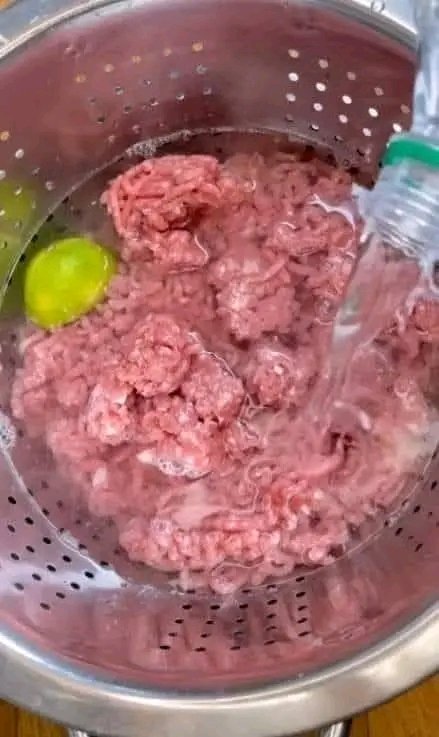
✅ Is rinsing ground beef necessary?
No—rinsing ground beef is not necessary or recommended. In fact, rinsing raw ground beef can spread bacteria around your sink and kitchen (splashing contaminated water), which increases the risk of foodborne illness.
The correct and safe method is simply to cook the meat thoroughly until it reaches a safe internal temperature (160°F / 71°C). Any fat you want to remove can be drained from the pan using a spoon or by tilting the pan.
So your mother-in-law’s method is normal and safe as long as the ground beef is cooked fully.
🍝 BIG RECIPE: Grandmother’s Hearty Bolognese With Handmade Pasta
A full expanded recipe including introduction, ingredients, instructions, methods, history, formation, conclusion, and “lovers.”
🌟 Introduction
Bolognese sauce is one of the world’s most comforting dishes—a slow-simmered, rich blend of ground meat, vegetables, tomatoes, and wine. This version, inspired by classic Italian traditions and passed down through generations of home cooks, becomes something truly memorable when paired with fresh handmade pasta. This dish fills a kitchen with warmth and transforms simple ingredients into a deeply flavored masterpiece meant for sharing.
🛒 Ingredients
For the Bolognese Sauce
1½ lbs (680 g) ground beef (80/20 or 85/15)
2 tbsp olive oil
1 large onion, diced
2 carrots, diced
2 celery stalks, diced
4 garlic cloves, minced
1 cup dry red wine (optional but traditional)
1 cup whole milk
1 can (28 oz / 800 g) crushed tomatoes
2 tbsp tomato paste
1 cup beef broth (more if needed)
2 bay leaves
1 tsp dried oregano
Salt and pepper to taste
Fresh basil or parsley (optional, for garnish)
Parmesan cheese, grated
For the Handmade Pasta
3 cups all-purpose flour
4 large eggs
1 tsp olive oil
1 pinch salt
🍳 Instructions
1. Prepare the Handmade Pasta
Make a mound of flour on a clean surface.
Create a wide well in the center.
Add the eggs, olive oil, and salt into the well.
Slowly whisk the eggs with a fork while drawing in flour from the edges.
When dough begins to form, knead for 8–10 minutes until smooth and elastic.
Cover with a bowl or wrap and let rest for 30 minutes.
Roll out into sheets using a rolling pin or pasta machine.
Cut into tagliatelle, the traditional pasta for Bolognese.
Dry lightly on a rack or dust with flour while you prepare the sauce.
2. Make the Bolognese Sauce
Heat olive oil in a large heavy pot over medium heat.
Add diced onion, carrot, and celery. Sauté 8–10 minutes until softened.
Add garlic and cook another minute.
Add the ground beef. Cook until browned, breaking it up with a spoon.
Drain excess fat if desired (no rinsing needed).
Stir in tomato paste and cook for 2 minutes to deepen flavor.
Add red wine and simmer until mostly reduced.
Pour in milk and simmer until absorbed—this softens the acidity of tomatoes.
Add crushed tomatoes, broth, bay leaves, oregano, salt, and pepper.
Reduce heat to low and simmer 1½ to 3 hours, stirring occasionally.
Add broth if sauce thickens too much.
Taste and adjust seasonings before serving.
3. Cook the Pasta
Bring a large pot of salted water to a boil.
Add fresh pasta and cook 2–3 minutes until al dente.
Transfer pasta directly into the Bolognese pot.
Toss gently to coat every strand.
🧪 Methods Used
Sautéing vegetables for aromatic depth
Browning meat to develop complex flavors through the Maillard reaction
Deglazing with wine to lift caramelized bits
Reduction to concentrate flavors
Slow simmering to marry ingredients and create richness
Hand-kneading pasta dough to ensure proper gluten development
Finishing pasta in the sauce for maximum absorption of flavor
📜 History
Bolognese originates from Bologna, Italy, where it is known as ragù alla bolognese. The earliest known recipe dates back to the late 18th century. Traditionally, Bolognese was served not with spaghetti but with tagliatelle, as its broad ribbons hold the thick meat sauce beautifully. Over time, Italian immigrants brought the dish to the wider world, where it evolved into the beloved comfort food found in countless kitchens.
🏛️ Formation (How This Recipe Developed)
This version draws from:
Traditional Italian cooking techniques
Home-style adaptations using accessible ingredients
Slow-cooked methods perfected over generations
A balance of meat, vegetables, wine, and dairy to create depth and gentle sweetness
Fresh pasta to elevate the rustic sauce into a restaurant-worthy dish
Each element has been chosen to honor both heritage and flavor.
❤️ Lovers (Who This Dish Is For)
This dish is adored by:
Pasta lovers seeking comfort
Slow-food enthusiasts who enjoy long simmering, deep flavors
Romantic couples enjoying warm, homemade meals together
Families looking for a hearty, nostalgic dinner
Culinary explorers who appreciate tradition and craftsmanship
Kids, who often love its mild, rich flavor (especially with cheese)
🥂 Conclusion
This Grandmother’s Bolognese with Handmade Pasta is more than a recipe—it’s an experience. It brings together the warmth of tradition, the artistry of cooking, and the joy of sharing a meal with loved ones. Whether it becomes a weekly staple or a special family dinner, it promises to fill your home with rich aromas and your table with happy faces.