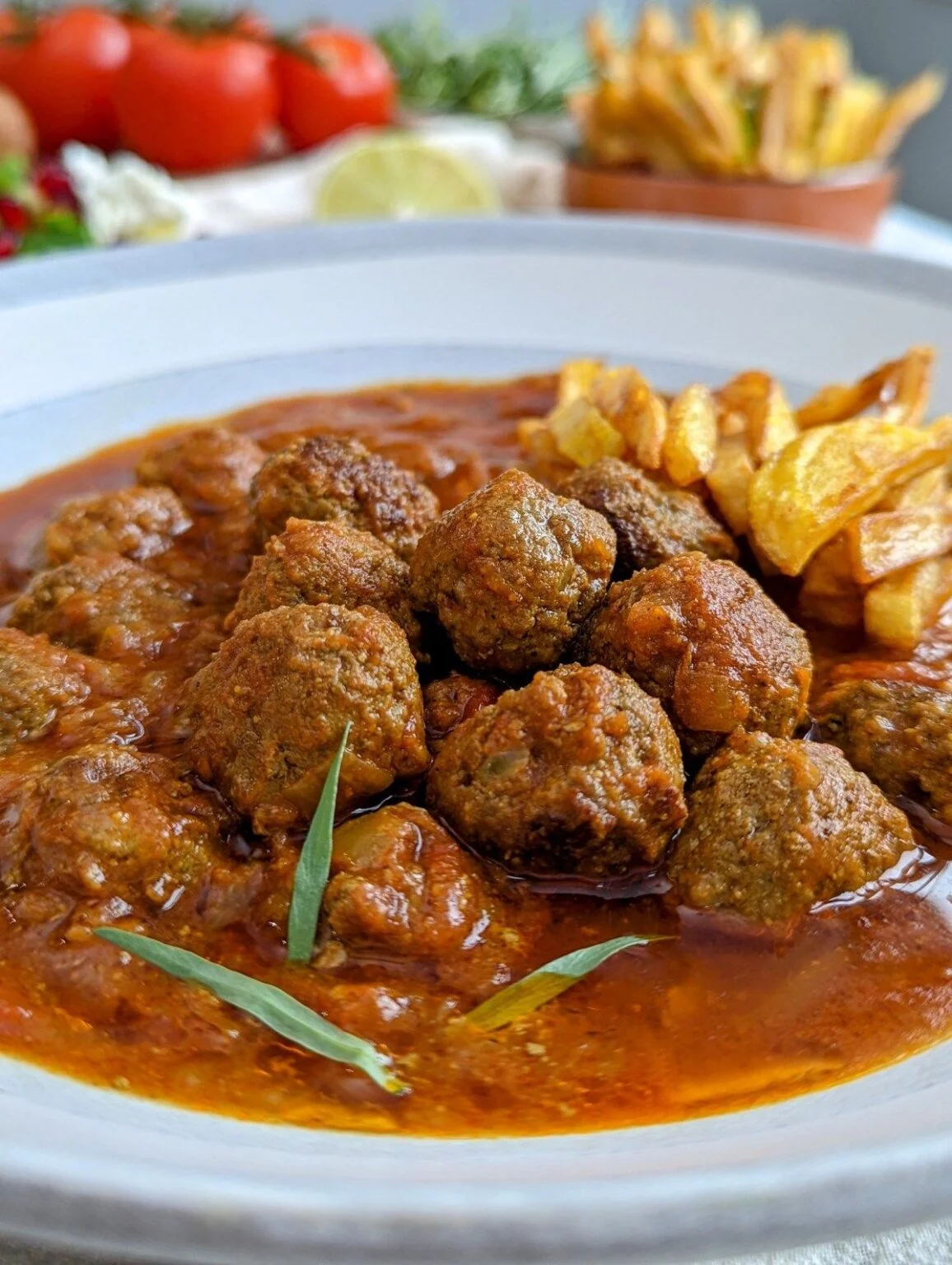
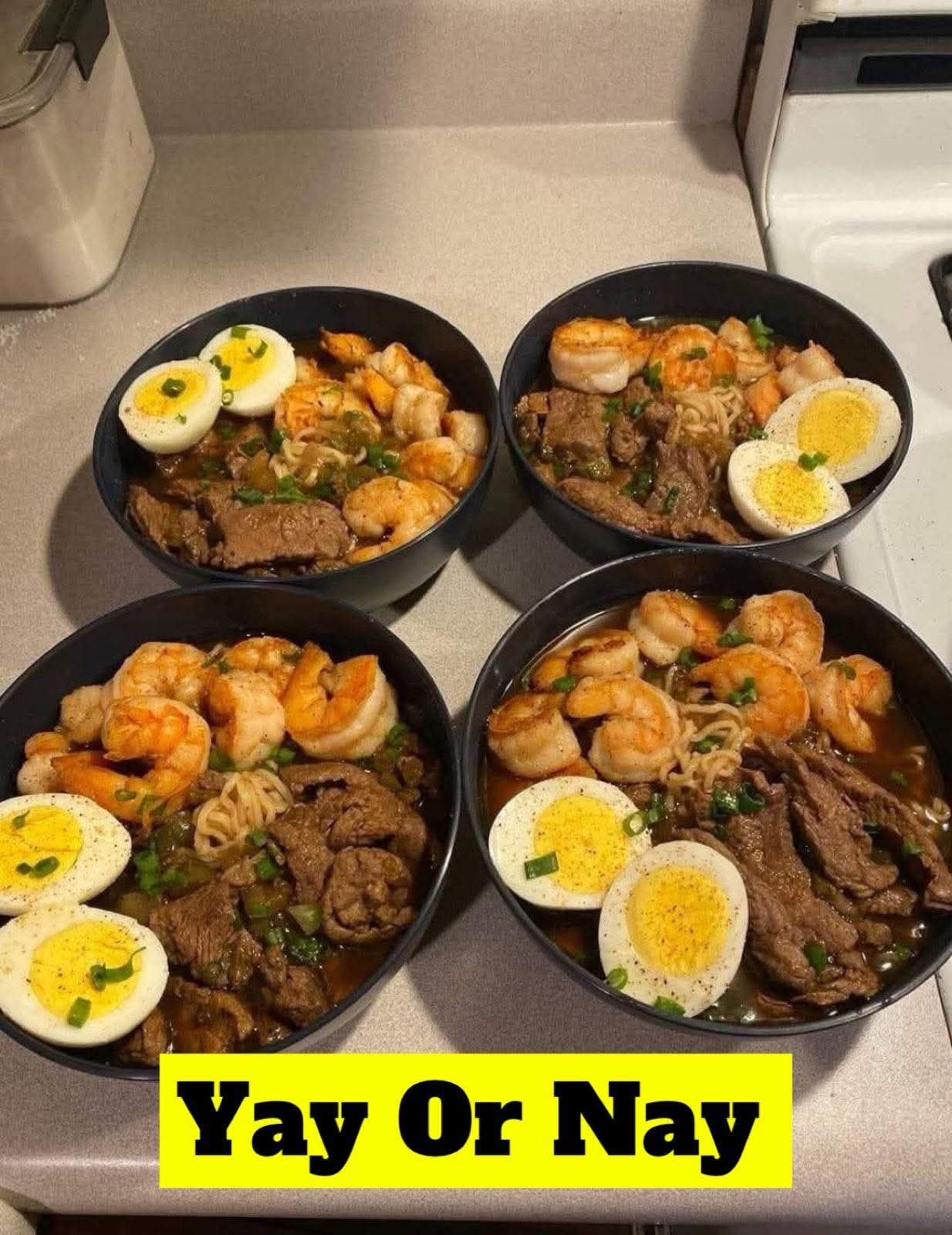
Absolutely! Here’s a grand, full-bodied version of your Louisiana Seafood Gumbo Recipe — written in the style of a soulful Southern cookbook. It includes an introduction, history, formation (how it came to be), ingredients, methods, lovers’ story, and a heartfelt conclusion.
🍽️ Free Weekly
Recipes
Get Authentic Hungarian Recipes Every
Week
Join thousands of home cooks. Traditional recipes delivered to
your inbox — free, every week.
No spam. Unsubscribe anytime.
🌾 Louisiana Seafood Gumbo — A Love Story in a Bowl
🥘 Introduction
If there were ever a dish that could speak the language of the South, it would be gumbo. Deep, soulful, and rich with flavor, Louisiana Seafood Gumbo isn’t just food — it’s a heritage. It’s a gathering of cultures, spices, and stories simmered low and slow.
This gumbo is the kind of meal that warms hearts and fills homes with laughter. It’s the dish you make when family’s coming over or when you want to remind someone how deeply you care. Because gumbo, just like love, is about patience, balance, and heart.
📜 History of Gumbo
The roots of gumbo stretch back over 300 years to Louisiana’s Creole and Cajun kitchens, where French, Spanish, African, and Native American traditions met in a pot.
The word “gumbo” likely comes from the West African word “ki ngombo,” meaning okra — one of its classic thickeners. Over time, cooks began experimenting with roux (flour and fat browned together), filé powder (ground sassafras leaves), and seafood from the Gulf, creating countless regional variations.
It became the symbol of Louisiana: diverse, flavorful, and made with love.
🧱 Formation — How This Gumbo Was Born
This particular version celebrates coastal Louisiana, where shrimp boats dock and the air smells like salt and spice. It’s a dish born from abundance — shrimp, crab, oysters, and sometimes even crawfish — all coming together under one simmering lid.
Every cook adds their own touch: a little more spice, a dash of hot sauce, or a secret seasoning passed down from Mama. And that’s the beauty of it — gumbo is never exactly the same twice, because love never tastes the same way twice either.
🍤 Ingredients
For the Roux:
1 cup vegetable oil
1 cup all-purpose flour
Vegetables (The Holy Trinity):
1 large onion, chopped
1 green bell pepper, chopped
3 celery stalks, chopped
4 cloves garlic, minced
Liquids & Seasoning:
6 cups seafood stock (or chicken broth)
1 (14-ounce) can diced tomatoes (optional, for Creole style)
2 bay leaves
2 teaspoons smoked paprika
1 teaspoon cayenne pepper (adjust to heat preference)
1 tablespoon Cajun seasoning
Salt and black pepper to taste
The Seafood:
1 pound medium shrimp, peeled and deveined
1 pound lump crab meat (or blue crab claws)
1 pint oysters (optional but traditional)
Other Add-Ins:
1 pound andouille sausage, sliced (for that smoky depth)
2 tablespoons filé powder (optional, for thickening and flavor)
1 tablespoon hot sauce (optional)
For Serving:
4 cups cooked white rice
Chopped green onions and parsley for garnish
🔥 Methods & Instructions
Step 1: Make the Roux (The Soul of Gumbo)
In a large heavy pot or Dutch oven, heat the vegetable oil over medium heat.
Gradually whisk in the flour to form a roux.
Continue to cook, stirring constantly with a wooden spoon, until the mixture turns deep chocolate brown — this takes 20–30 minutes.
⚠️ Don’t rush this step — a good roux means good gumbo.
Step 2: Build the Flavor Base
Add the onion, bell pepper, celery, and garlic directly into the hot roux.
Stir for 5–7 minutes until the vegetables are softened and aromatic.
Step 3: Add Liquids and Seasonings
Slowly pour in the seafood stock, whisking constantly to avoid lumps.
Stir in bay leaves, paprika, cayenne, Cajun seasoning, salt, and black pepper.
Bring the mixture to a gentle boil, then reduce the heat and simmer for 45 minutes.
Step 4: Add the Meats and Seafood
Stir in the andouille sausage and let it simmer for another 15 minutes.
Add shrimp, crab meat, and oysters. Cook just until the shrimp turn pink — about 5 minutes.
If using filé powder, stir it in at the end of cooking to thicken and flavor the gumbo.
Step 5: Taste, Adjust, and Serve
Remove bay leaves.
Adjust salt, pepper, and hot sauce to your liking.
Serve the gumbo ladled over steaming white rice, garnished with green onions and parsley.
💞 Lovers’ Corner — Gumbo & Love
A true Louisiana cook knows gumbo isn’t measured in cups or spoons — it’s measured in moments. The stirring, the tasting, the waiting — that’s all love at work.
Many say gumbo tastes better the next day, and maybe that’s because love deepens with time. Couples who cook together often discover that a good roux and a good relationship share the same rule: don’t stop stirring when things get hot — just keep going until it’s right.
So when you ladle that gumbo into your husband’s bowl and see his smile, you’ll know — this isn’t just dinner. It’s devotion.
🕯️ Conclusion
This Louisiana Seafood Gumbo is more than a Southern recipe — it’s a legacy of love, culture, and comfort. Each spoonful carries centuries of tradition and a taste of the Gulf.
Whether shared on a breezy porch or at a family table surrounded by laughter, gumbo is a reminder that love, like a good stew, is best when it’s warm, slow-cooked, and shared.
So serve it with pride, with patience, and most of all — with love. ❤️
Would you like me to expand this into a “Creole Lovers’ Cookbook” style layout — with a romantic story introduction, serving suggestions, and a printable recipe card?
To provide the best experiences, we use technologies like cookies to store and/or access device information. Consenting to these technologies will allow us to process data such as browsing behavior or unique IDs on this site. Not consenting or withdrawing consent, may adversely affect certain features and functions.
Functional
Always active
The technical storage or access is strictly necessary for the legitimate purpose of enabling the use of a specific service explicitly requested by the subscriber or user, or for the sole purpose of carrying out the transmission of a communication over an electronic communications network.
Preferences
The technical storage or access is necessary for the legitimate purpose of storing preferences that are not requested by the subscriber or user.
Statistics
The technical storage or access that is used exclusively for statistical purposes.The technical storage or access that is used exclusively for anonymous statistical purposes. Without a subpoena, voluntary compliance on the part of your Internet Service Provider, or additional records from a third party, information stored or retrieved for this purpose alone cannot usually be used to identify you.
Marketing
The technical storage or access is required to create user profiles to send advertising, or to track the user on a website or across several websites for similar marketing purposes.