Absolutely! 🇫🇷✨ Let’s turn your simple crepe recipe into a big, elegant, romantic, and classic French masterpiece — complete with history, formation, method, and a sweet conclusion for all the crepe lovers out there! 🥞💛
🍽️ Free Weekly
Recipes
Get Authentic Hungarian Recipes Every
Week
Join thousands of home cooks. Traditional recipes delivered to
your inbox — free, every week.
No spam. Unsubscribe anytime.
Classic French Crêpes: A Taste of Paris in Every Bite
Introduction: The Elegance of Simplicity
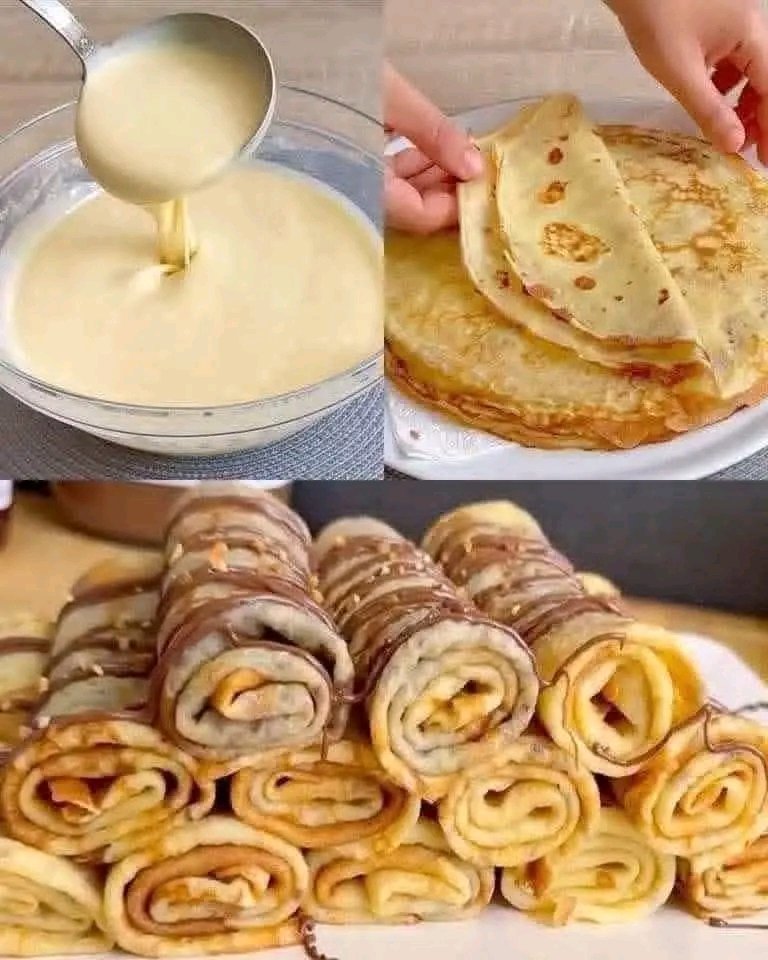
Light, thin, and delightfully delicate — French crêpes are a timeless dish that captures the heart of France. Whether you enjoy them sweet with Nutella and strawberries, or savory with cheese and herbs, crêpes are more than just pancakes — they’re a culinary art form.
From bustling Parisian cafés to cozy Sunday breakfasts at home, crêpes have become a symbol of love, comfort, and creativity in the kitchen. Their versatility and ease of preparation make them a must-have recipe for anyone who appreciates fine, yet simple, cooking.
Each golden, paper-thin crêpe tells a story — one of tradition, passion, and that irresistible French flair.
A Brief History of Crêpes: From Brittany to the World
Crêpes originated in Brittany (Bretagne), a region in northwest France known for its rich dairy and buckwheat fields. The earliest versions, made with buckwheat flour, were savory and called galettes. They were cooked on flat stone griddles over wood fires and enjoyed with simple fillings like ham, cheese, and eggs.
By the 19th century, with the introduction of refined white flour, the sweet crêpe was born. Soon, cafés and street vendors across Paris began serving these delicate pancakes filled with fruit preserves, sugar, or chocolate.
Today, crêpes are a beloved staple around the world — found at breakfast tables, dessert carts, and elegant restaurants alike. Whether sweet or savory, they remain a symbol of French charm and craftsmanship.
Ingredients
(Makes about 8–10 crêpes)
For the Basic Crêpe Batter:
1 cup all-purpose flour
2 large eggs
½ cup milk
½ cup water
2 tablespoons unsalted butter (melted)
¼ teaspoon salt
1 tablespoon sugar(optional, for sweet crêpes)
½ teaspoon vanilla extract(optional, for sweet crêpes)
Optional Sweet Fillings:
Nutella or chocolate spread
Fresh berries or sliced bananas
Whipped cream or vanilla custard
Powdered sugar, cinnamon, or caramel drizzle
Optional Savory Fillings:
Sautéed mushrooms and spinach
Ham and melted Gruyère cheese
Smoked salmon with cream cheese and dill
Roasted vegetables with a drizzle of béchamel sauce
Method of Preparation
Step 1: Make the Batter
In a large mixing bowl, whisk together the flour and salt (and sugar if using).
In a separate bowl, beat the eggs, then add the milk, water, and melted butter. Mix well.
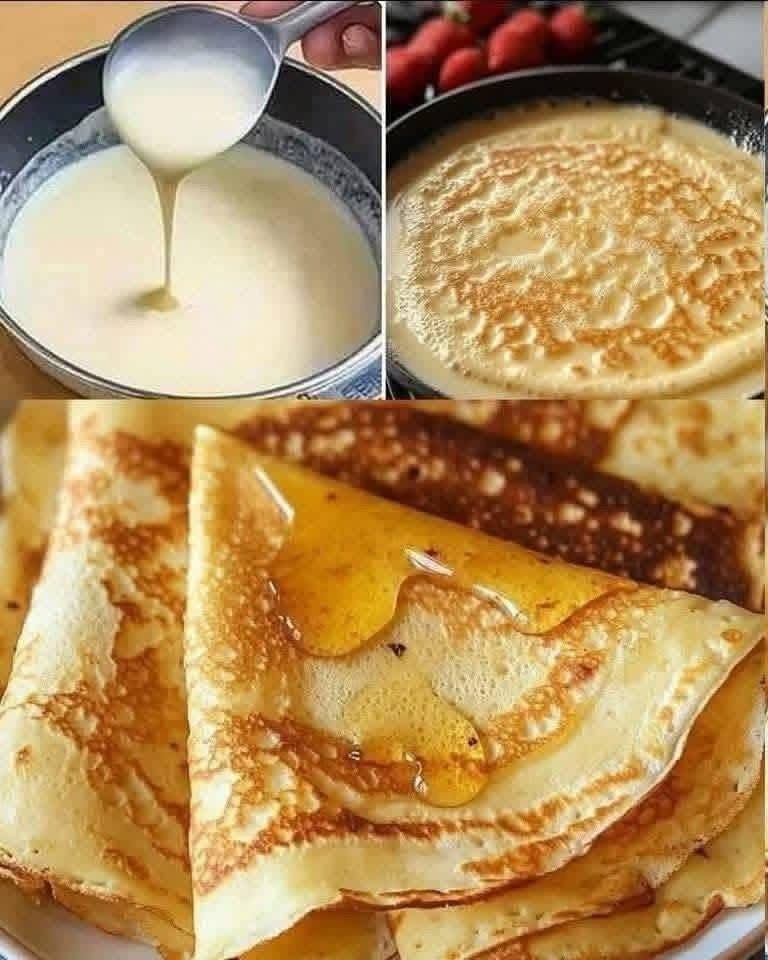
Gradually pour the wet ingredients into the dry ingredients, whisking continuously to avoid lumps.
Add vanilla extract if making sweet crêpes.
Cover the batter and let it rest for 30 minutes at room temperature — this helps the flour absorb the liquid and results in tender crêpes.
(Chef’s Tip: For extra-smooth batter, blend everything in a blender for 20 seconds.)
Step 2: Cook the Crêpes
Heat a nonstick skillet or crêpe pan over medium heat. Lightly butter the surface or spray with nonstick spray.
Pour about ¼ cup of batter into the center of the pan, then quickly swirl the pan to spread the batter evenly into a thin layer.
Cook for 30–45 seconds, or until the edges start to lift slightly and the bottom is golden brown.
Flip carefully with a spatula (or a flick of the wrist, if you’re daring!) and cook the other side for another 20–30 seconds.
Slide the crêpe onto a warm plate and repeat with the remaining batter. Stack with parchment paper between each crêpe to prevent sticking.
Step 3: Fill, Fold, and Serve
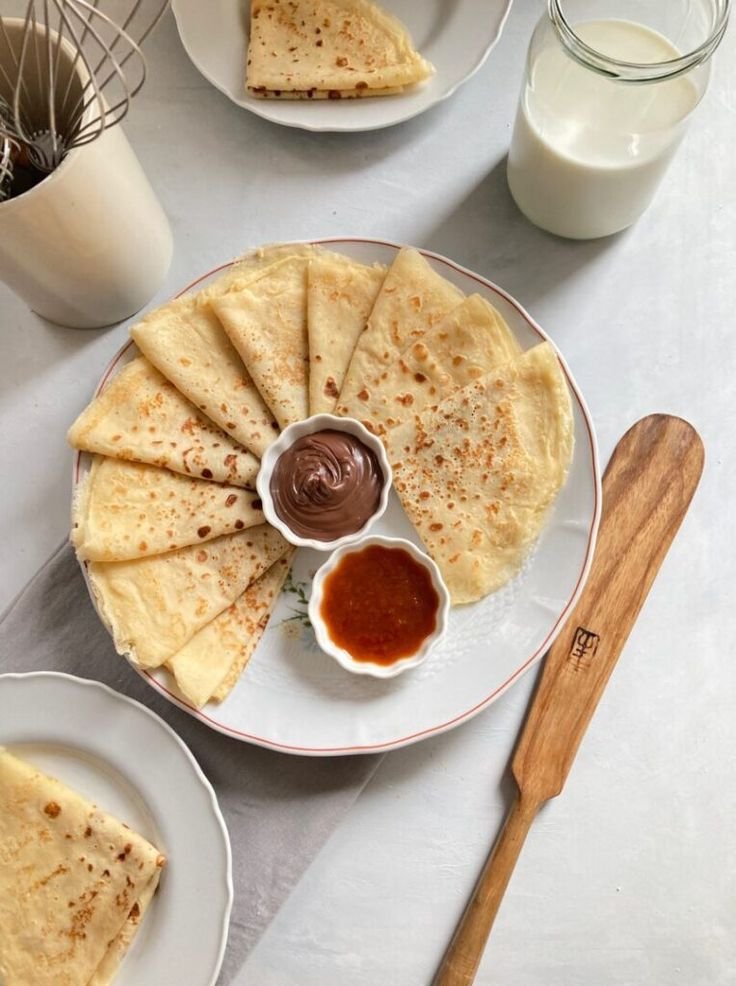
For sweet crêpes, spread your favorite filling over one half of the crêpe, fold it into quarters, and dust with powdered sugar.
For savory crêpes, add fillings to the center, fold the edges in to form a square, and serve warm.
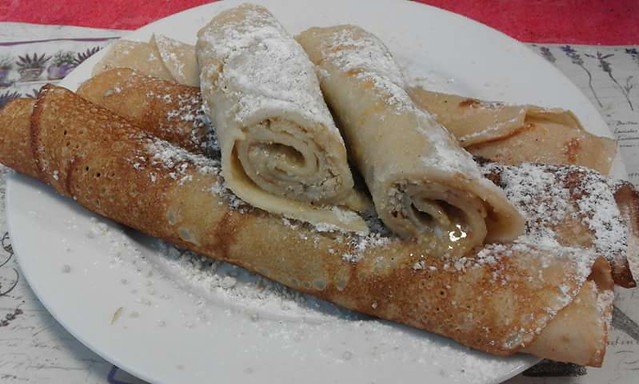
You can even roll your crêpes burrito-style or stack them into a Crêpe Cake (Gâteau de Crêpes) for a show-stopping dessert!
Formation: The Art of a Perfect Crêpe
A perfect crêpe is thin, flexible, and delicately golden — not too crispy, not too soft.
The key lies in the batter consistency — it should be as thin as heavy cream.
Resting the batter ensures tenderness.
Even heating creates that smooth, golden surface without burning.
In French kitchens, mastering the swirl and flip of the crêpe pan is a rite of passage — a simple gesture that embodies grace and skill.
Conclusion: France on a Plate
Crêpes are more than just food — they’re a symbol of celebration, creativity, and love. Whether served with melted chocolate at midnight or folded with ham and cheese for brunch, they offer a taste of Paris in every bite.
The beauty of crêpes is that they can be as simple or as elaborate as you want — sweet or savory, breakfast or dinner, rustic or refined. Each one is a blank canvas waiting for your flavor imagination.
So the next time you make them, remember: you’re not just cooking — you’re creating art on a plate.
For the Lovers of Crêpes ❤️
This recipe is for everyone who believes that food can be an experience — not just a meal.
Lovers of elegance will appreciate their lightness.
Lovers of sweetness will find bliss in chocolate and fruit-filled versions.
Lovers of French cuisine will adore the simplicity that defines true Parisian cooking.
Pair your crêpes with a cup of coffee, a glass of champagne, or a simple smile — because every plate of crêpes brings joy, comfort, and a little touch of romance.
A Final Note from the Chef 🥂
The world may rush, but crêpes remind us to slow down, savor, and celebrate the simple things. From a quiet breakfast to a festive dessert, these Classic French Crêpes will always make you feel like you’re dining in the heart of Paris — no passport required.
Bon appétit, mes amis! 🇫🇷💛🥞
Would you like me to create a Savory “Dinner in Paris” Crêpe version next — filled with creamy mushrooms, spinach, and Gruyère cheese — to match your Paris-inspired recipes?
To provide the best experiences, we use technologies like cookies to store and/or access device information. Consenting to these technologies will allow us to process data such as browsing behavior or unique IDs on this site. Not consenting or withdrawing consent, may adversely affect certain features and functions.
Functional
Always active
The technical storage or access is strictly necessary for the legitimate purpose of enabling the use of a specific service explicitly requested by the subscriber or user, or for the sole purpose of carrying out the transmission of a communication over an electronic communications network.
Preferences
The technical storage or access is necessary for the legitimate purpose of storing preferences that are not requested by the subscriber or user.
Statistics
The technical storage or access that is used exclusively for statistical purposes.The technical storage or access that is used exclusively for anonymous statistical purposes. Without a subpoena, voluntary compliance on the part of your Internet Service Provider, or additional records from a third party, information stored or retrieved for this purpose alone cannot usually be used to identify you.
Marketing
The technical storage or access is required to create user profiles to send advertising, or to track the user on a website or across several websites for similar marketing purposes.