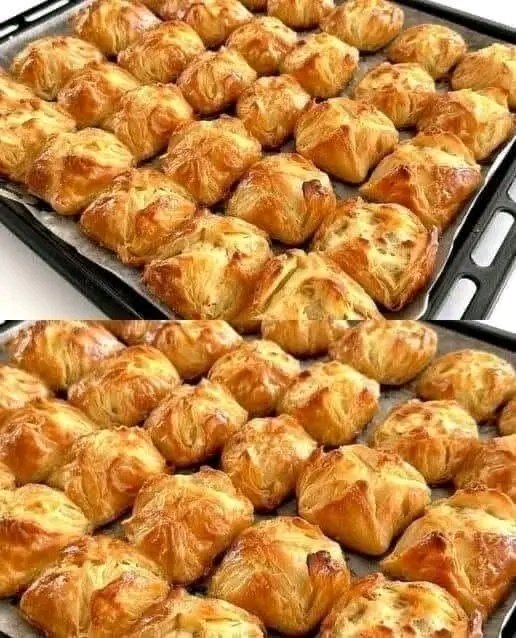
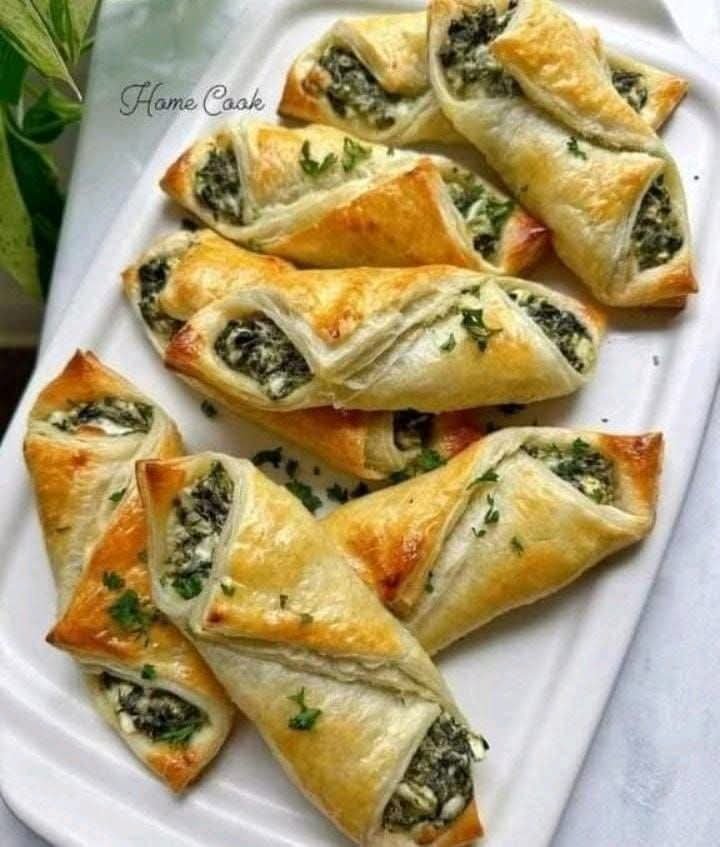
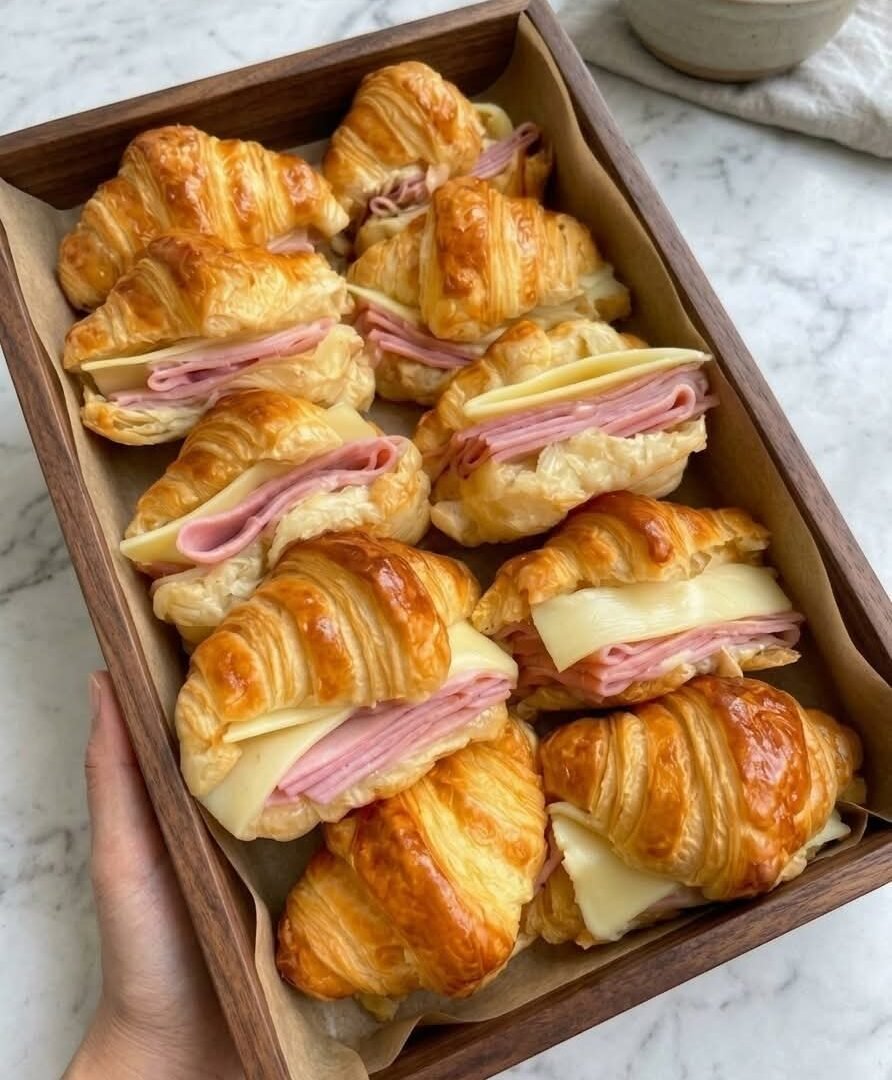
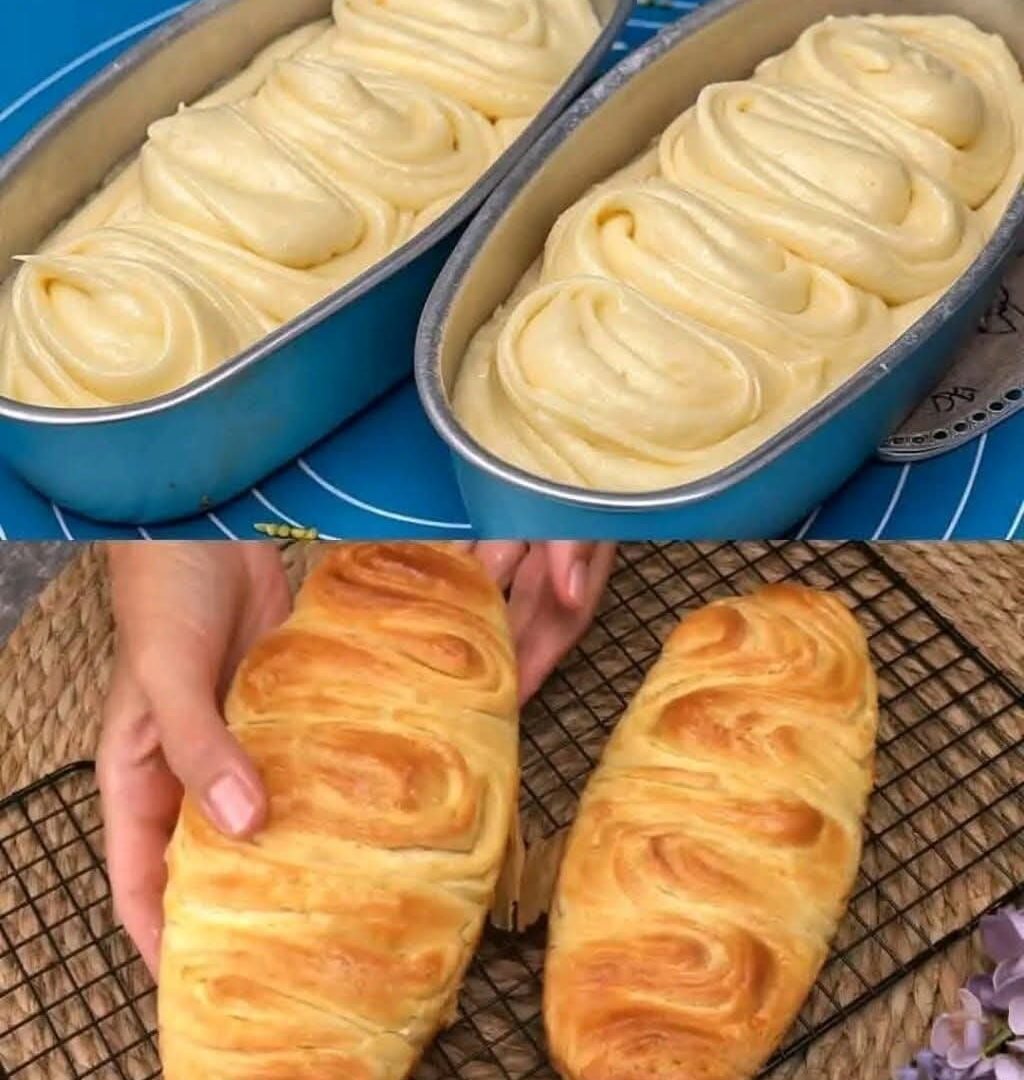
🥐 Puff Pastry from Scratch (Classic French Method)
🧈 Introduction
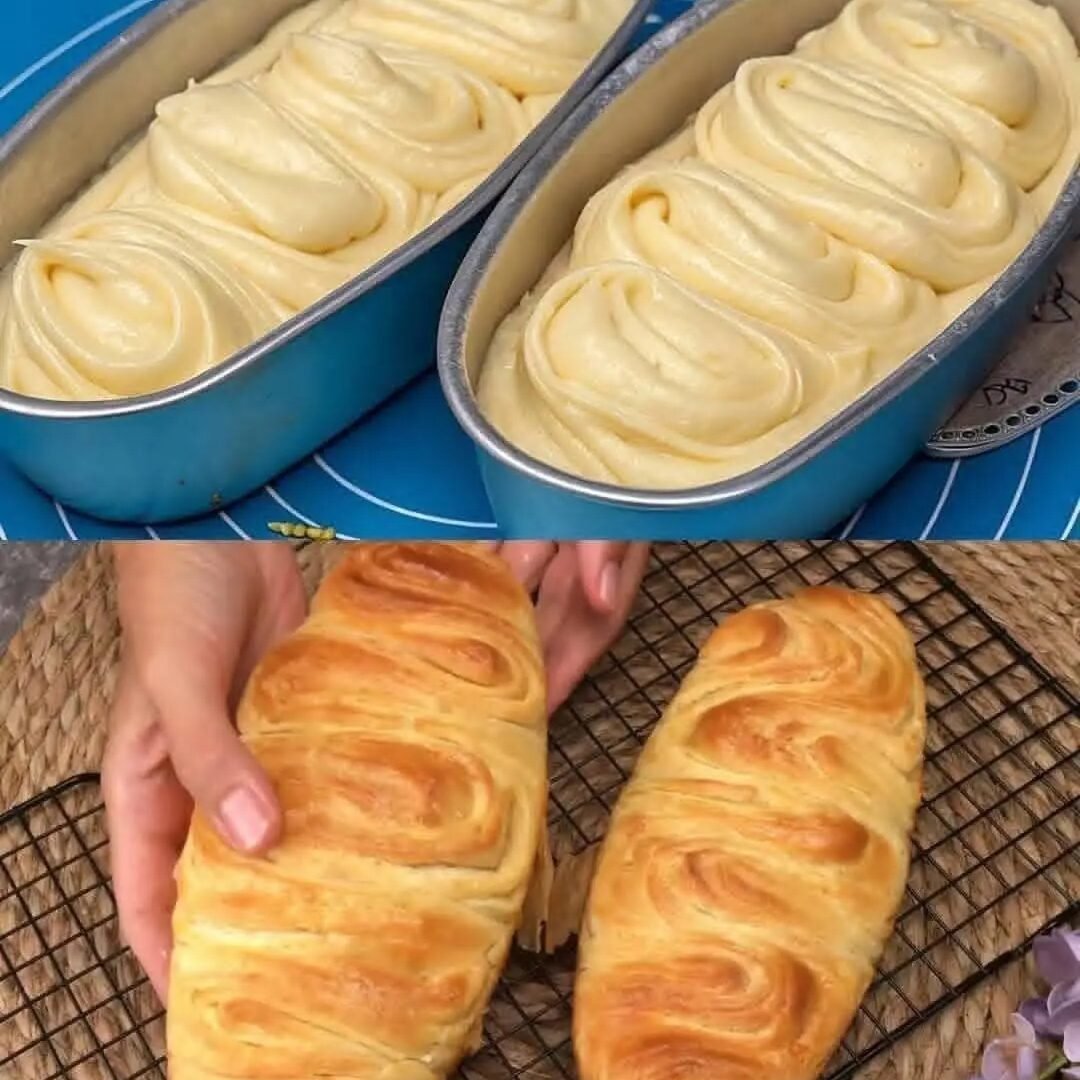
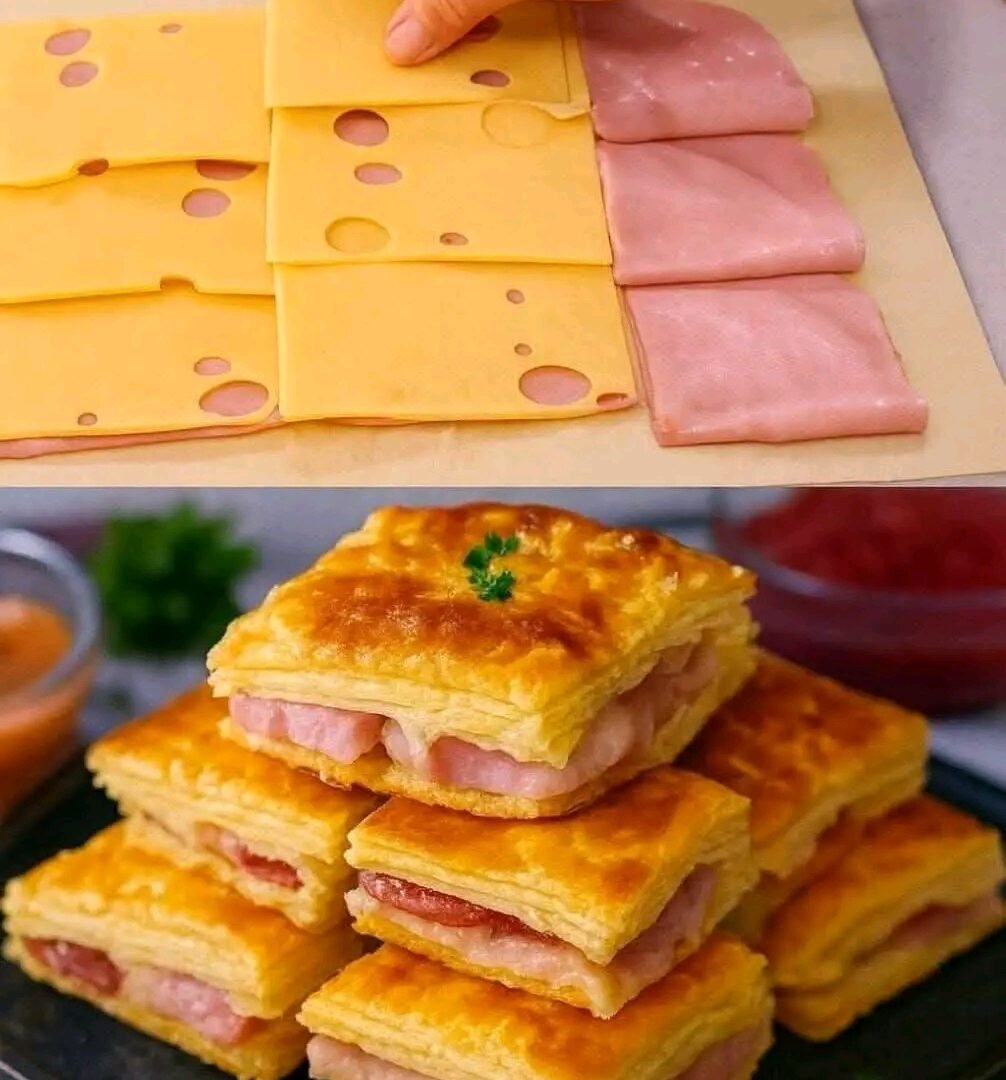
Making puff pastry from scratch is a rewarding culinary skill rooted in precision and patience. Known for its delicate, flaky layers, puff pastry transforms simple ingredients into elegant creations—from croissants to savory pies. The magic lies in laminating dough with butter to create hundreds of thin layers that puff up beautifully when baked.
🧾 Nutritional Information (Per 100g Approx.)
- Calories: 400–450 kcal
- Fat: 25–30 g
- Carbohydrates: 35–40 g
- Protein: 5–6 g
- Sodium: 200–300 mg
Values vary depending on butter quantity and thickness.
🛒 Ingredients
- 250 g all-purpose flour
- 200 g cold unsalted Butter
- 125 ml cold water
- 1/2 teaspoon salt
- 1 teaspoon lemon juice (optional, improves elasticity)
👩🍳 Instructions
Step 1: Prepare the Dough (Detrempe)
- In a bowl, mix flour and salt.
- Add cold water and lemon juice.
- Mix until a rough dough forms.
- Knead lightly until smooth (do not overwork).
- Wrap and chill for 30 minutes.
Step 2: Prepare the Butter Block
- Place cold butter between parchment paper.
- Flatten into a square (~1 cm thick).
- Chill until firm but pliable.
Step 3: Lock in the Butter
- Roll dough into a larger square.
- Place butter diagonally in the center.
- Fold dough corners over butter like an envelope.
- Seal edges completely.
Step 4: Lamination Process (Turns)
- Roll dough into a long rectangle.
- Fold into thirds (like a letter).
- Rotate 90°, roll again, and fold.
- Chill 30 minutes.
- Repeat this process 5–6 times.
Step 5: Final Rest
- Chill dough for at least 1 hour before use.
🔄 Methods & Techniques
1. Classic Full Puff Pastry
- Uses equal parts butter and flour
- Requires multiple folds for maximum flakiness
2. Rough Puff (Quick Method)
- Butter is mixed in chunks rather than layered
- Faster but slightly less refined texture
3. Inverted Puff Pastry
- Butter surrounds the dough
- More delicate and professional-level technique
📜 History & Origins
Puff pastry is believed to have been perfected in France during the 17th century. A popular legend credits Claude Lorrain, who accidentally created layered dough while trying to improve a bread recipe. Over time, French pâtissiers refined the technique into what we now know as pâte feuilletée.
🧪 Formation & Science
The signature layers of puff pastry are formed through a process called lamination:
- Thin layers of dough and Butter are stacked
- When baked, butter releases steam
- Steam lifts the layers, creating a flaky structure
Temperature control is crucial—if butter melts too early, layers collapse.
❤️ Who Loves Puff Pastry?
- Bakers who enjoy precision and technique
- Pastry chefs crafting elegant desserts
- Home cooks making pies, tarts, and snacks
- Food lovers who appreciate buttery, flaky textures
🥄 Tips & Best Practices
- Always keep ingredients cold
- Rest dough between folds to prevent shrinking
- Use a sharp knife when cutting to preserve layers
- Bake in a hot oven (200°C+) for maximum puff
🌟 Conclusion
Puff pastry from scratch is a true labor of love that delivers unmatched texture and flavor. While it requires time and care, the result is a versatile dough that elevates both sweet and savory dishes. Once mastered, it becomes a foundation for countless culinary creations—from delicate pastries to hearty meals—making it a timeless skill in any kitchen.