🍮 Creamy Baked Vanilla Custard
🌟 Introduction
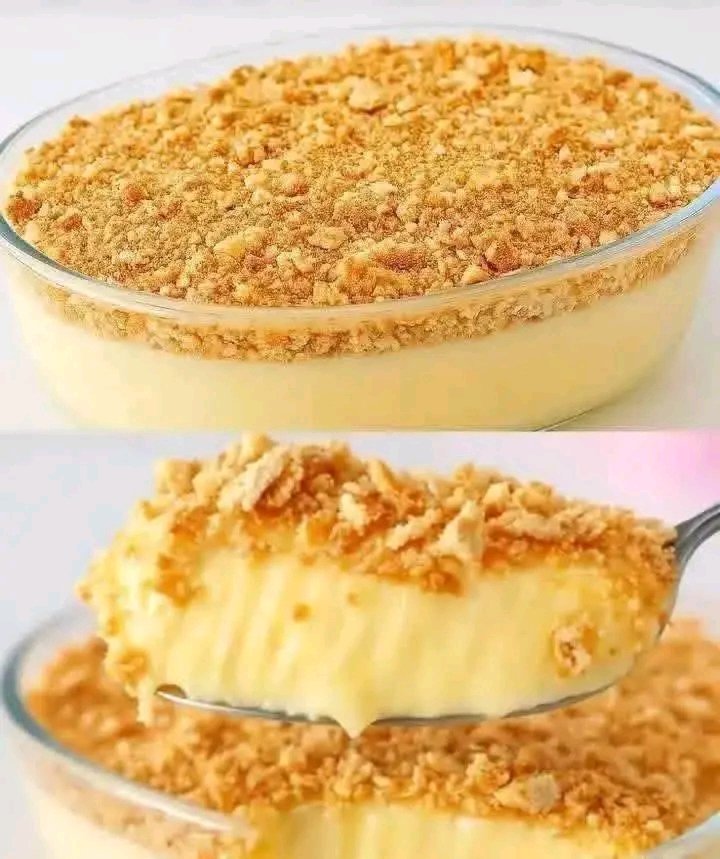
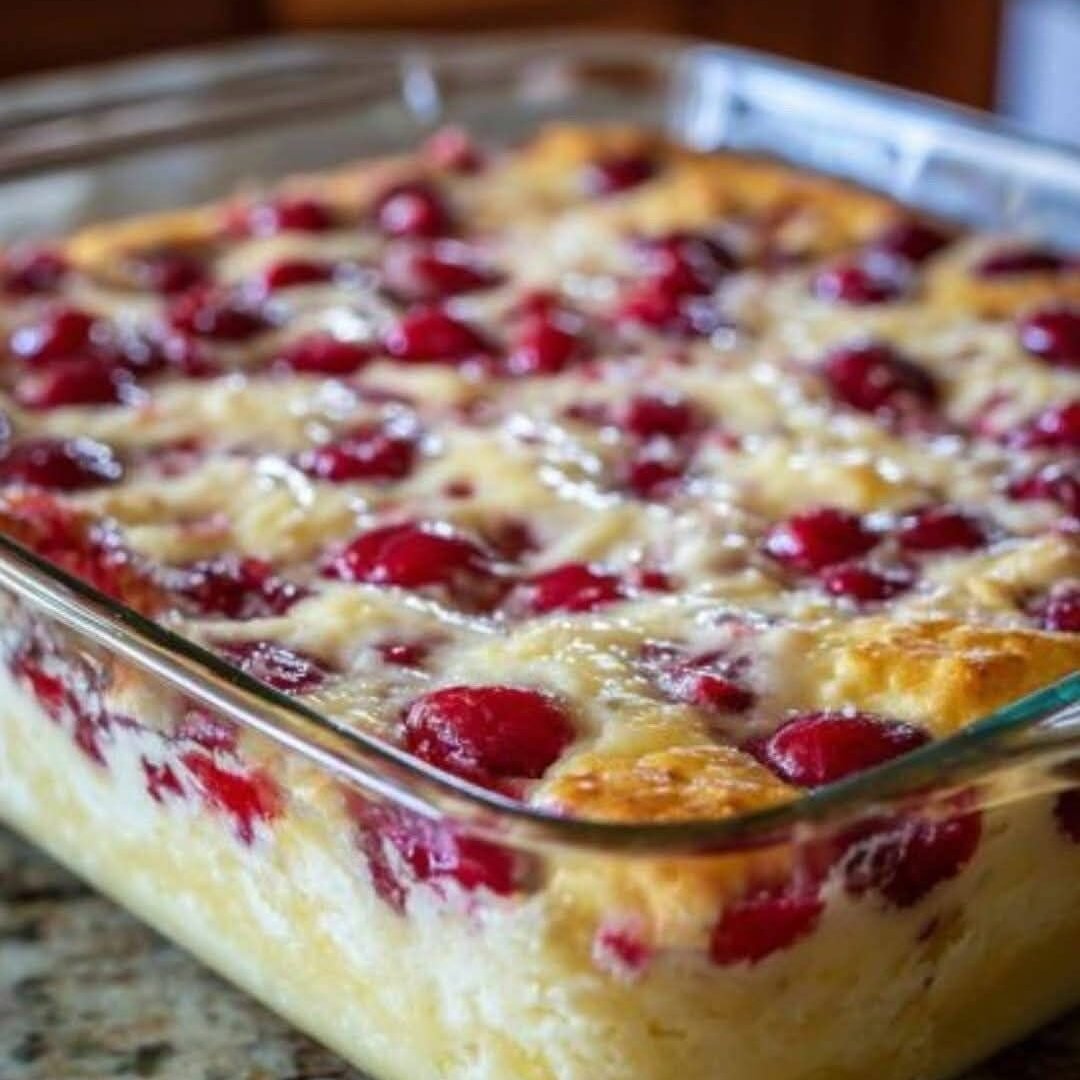
Creamy baked vanilla custard is a timeless dessert known for its silky texture and delicate flavor. Made from simple ingredients like eggs, milk, sugar, and vanilla, this comforting dish has been enjoyed across cultures for centuries. Whether served warm or chilled, custard offers a rich, melt-in-your-mouth experience that feels both elegant and homey.
📊 Nutritional Information (per serving – approx.)
- Calories: 180–220 kcal
- Protein: 6–8 g
- Fat: 8–10 g
- Carbohydrates: 22–25 g
- Sugar: 20 g
- Calcium: ~15% daily value
🛒 Ingredients
- 2 cups whole milk (or half-and-half for richer custard)
- 3 large eggs
- 1/3 cup granulated sugar
- 1 tsp pure vanilla extract
- Pinch of salt
- Ground nutmeg or cinnamon (optional, for topping)
🥣 Instructions
1. Preheat Oven
- Preheat your oven to 160°C (320°F).
- Place a kettle of water on to boil (for the water bath).
2. Heat the Milk
- In a saucepan, gently heat the milk until warm (not boiling).
- Remove from heat and set aside.
3. Mix Eggs and Sugar
- In a bowl, whisk eggs, sugar, and salt until smooth and slightly pale.
4. Combine
- Slowly pour the warm milk into the egg mixture while whisking continuously (this prevents scrambling).
- Stir in vanilla extract.
5. Strain (Optional but Recommended)
- Strain the mixture through a fine sieve for extra smooth custard.
6. Prepare for Baking
- Pour custard into ramekins or a baking dish.
- Sprinkle nutmeg or cinnamon on top if desired.
7. Water Bath (Bain-Marie)
- Place ramekins in a baking tray.
- Pour hot water into the tray until it reaches halfway up the sides.
8. Bake
- Bake for 35–45 minutes, until custard is set but slightly jiggly in the center.
9. Cool
- Remove from water bath and let cool.
- Serve warm or refrigerate for a chilled dessert.
🍳 Methods & Techniques
✔️ Gentle Baking
Using a water bath ensures even cooking and prevents curdling.
✔️ Tempering Eggs
Slowly adding warm milk avoids cooking the eggs too quickly.
✔️ Straining
Removes bubbles and ensures a smooth, creamy texture.
📜 History
Custard dates back to medieval Europe, where it was often used as a filling for pies and pastries. Over time, baked custard evolved into a standalone dessert, especially popular in French and English cuisine. Variations like crème brûlée and flan are close relatives, each with unique twists.
🧁 Formation & Texture
The custard forms through the gentle coagulation of eggs when heated. Proteins in the eggs thicken the milk into a soft, creamy gel. The key is low, slow heat—too much heat causes curdling, while proper baking yields a smooth and velvety consistency.
❤️ Lovers of This Dish
Custard is loved by:
- Dessert enthusiasts who enjoy classic, comforting sweets
- People who prefer not-too-sweet desserts
- Fans of creamy textures like pudding, flan, and cheesecake
- Families looking for simple homemade treats
🔄 Variations & Methods
- Caramel Custard (Flan): Add caramel at the bottom before baking
- Coconut Custard: Replace part of milk with coconut milk
- Spiced Custard: Add cinnamon, cardamom, or orange zest
- Low-Sugar Version: Use natural sweeteners like honey or stevia
✅ Conclusion
Creamy baked vanilla custard is proof that simple ingredients can create something truly special. With its smooth texture and delicate flavor, it’s a dessert that never goes out of style. Whether you enjoy it warm on a cozy evening or chilled on a sunny day, it remains a comforting classic loved across generations.