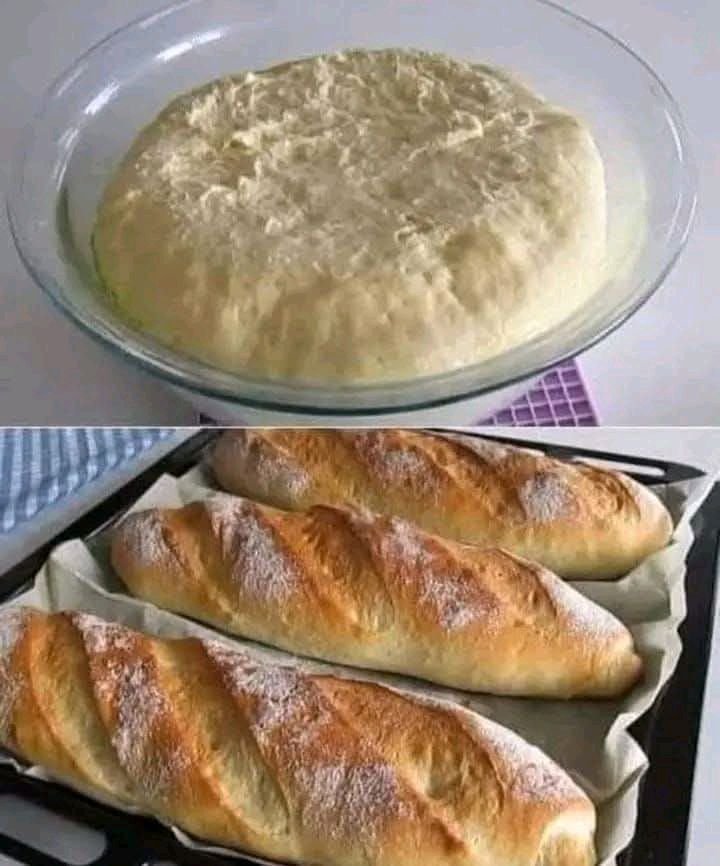
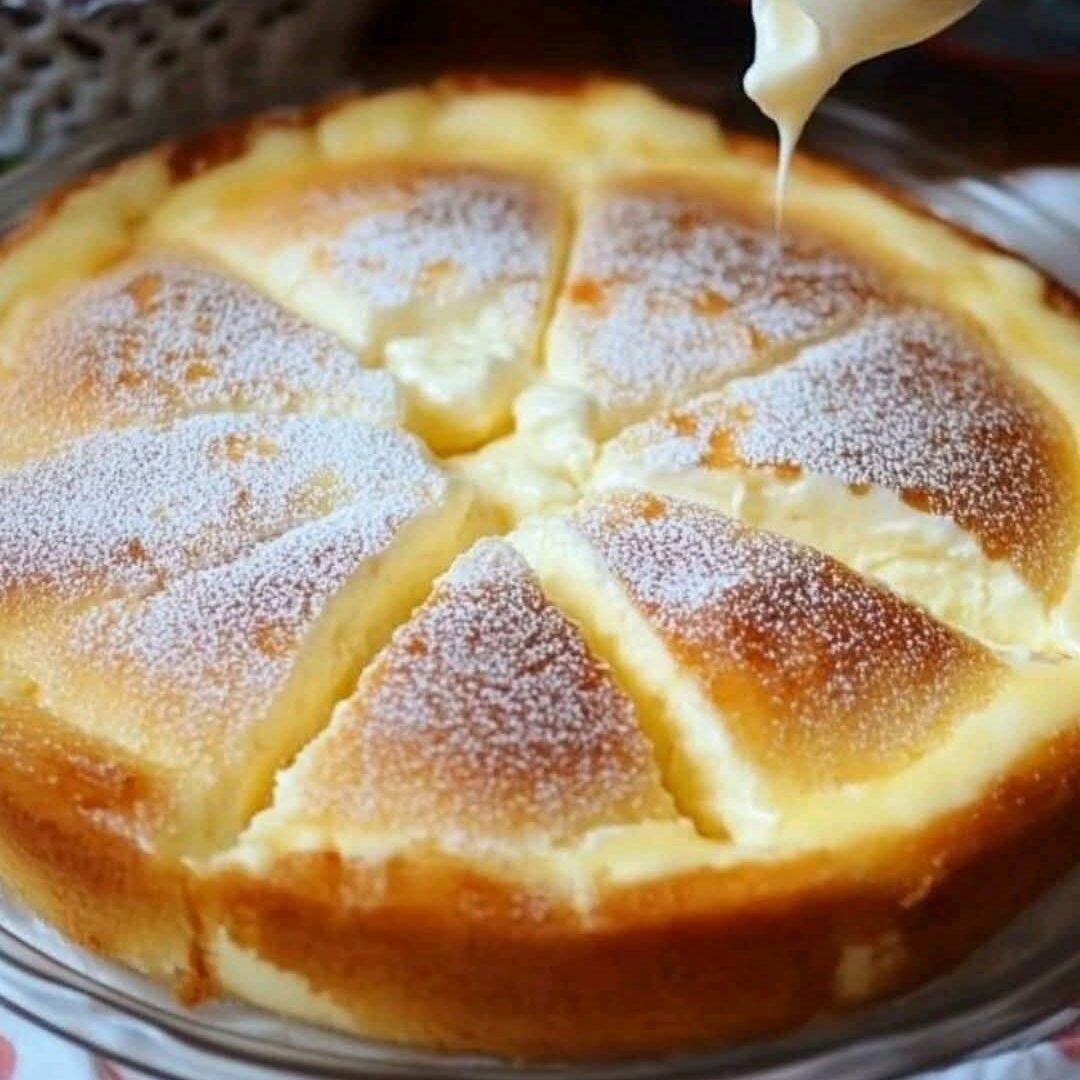
There’s something timeless about homemade bread, and olive oil bread takes it to another level. Infused with the rich, fruity flavor of olive oil, this bread is soft on the inside with a lightly crisp, golden crust. Inspired by Mediterranean baking traditions, especially in countries like Italy and Greece, olive oil bread is perfect for dipping, sandwiches, or enjoying on its own. Simple ingredients, incredible flavor—this is baking at its finest.
🍽️ Free Weekly
Recipes
Get Authentic Hungarian Recipes Every
Week
Join thousands of home cooks. Traditional recipes delivered to
your inbox — free, every week.
No spam. Unsubscribe anytime.
🥗 Nutritional Information (Approx. per slice)
Calories: 180–220 kcal
Protein: 4–6 g
Carbohydrates: 28–32 g
Fat: 5–8 g
Fiber: 1–2 g
Sodium: 150–250 mg
🛒 Ingredients
For the Dough:
4 cups (500 g) all-purpose or bread flour
2 1/4 teaspoons (1 packet) active dry yeast
1 1/2 cups (360 ml) warm water
1/4 cup (60 ml) extra virgin olive oil
1 1/2 teaspoons salt
1 teaspoon sugar or honey
Optional Add-ins:
1 tablespoon dried rosemary or thyme
2 cloves garlic (minced)
1/4 cup olives (chopped)
For Topping:
1–2 tablespoons olive oil
Sea salt flakes
Fresh herbs (optional)
👨🍳 Instructions
Step 1: Activate the Yeast
In a bowl, mix warm water and sugar.
Sprinkle yeast on top and let sit for 5–10 minutes until foamy.
Step 2: Make the Dough
Add olive oil and salt to the yeast mixture.
Gradually add flour, mixing until a soft dough forms.
Step 3: Knead
Transfer to a floured surface.
Knead for 8–10 minutes until smooth and elastic.
Step 4: First Rise
Place dough in an oiled bowl.
Cover and let rise in a warm place for 1–1.5 hours until doubled.
Proper Kneading: Develops gluten for structure and chewiness.
Olive Oil Enrichment: Adds moisture and extends shelf life.
Steam Trick: Place a small pan of water in the oven for a crisp crust.
Doneness Test: Tap the bottom—if it sounds hollow, it’s ready.
📜 History & Background
Olive oil bread has deep roots in Mediterranean cuisine, where olive oil has been a staple for thousands of years. In Italy, breads like focaccia showcase olive oil’s richness, while in Greece, rustic village loaves often include olive oil for flavor and preservation. These traditions emphasize simplicity, quality ingredients, and communal eating.
🧩 Formation (How It Comes Together)
Flour + water → dough base
Yeast → fermentation and rise
Olive oil → richness and softness
Heat → structure and crust formation
The result is a perfectly balanced loaf: airy crumb inside, golden crust outside.
❤️ Why People Love It
Soft, fluffy interior with a crisp crust
Rich, slightly fruity flavor from olive oil
Versatile: pairs with savory or sweet toppings
Stays fresh longer than regular bread
🍽️ Serving Suggestions
Dip in olive oil with herbs and balsamic
Use for sandwiches or toast
Serve alongside soups, salads, or pasta
Top with cheese, tomatoes, or spreads
🏁 Conclusion
Ultimate Homemade Olive Oil Bread is a beautiful blend of simplicity and flavor. Whether you’re new to baking or experienced, this recipe delivers a bakery-quality loaf at home. With its golden crust and tender crumb, it’s a bread you’ll come back to again and again.
To provide the best experiences, we use technologies like cookies to store and/or access device information. Consenting to these technologies will allow us to process data such as browsing behavior or unique IDs on this site. Not consenting or withdrawing consent, may adversely affect certain features and functions.
Functional
Always active
The technical storage or access is strictly necessary for the legitimate purpose of enabling the use of a specific service explicitly requested by the subscriber or user, or for the sole purpose of carrying out the transmission of a communication over an electronic communications network.
Preferences
The technical storage or access is necessary for the legitimate purpose of storing preferences that are not requested by the subscriber or user.
Statistics
The technical storage or access that is used exclusively for statistical purposes.The technical storage or access that is used exclusively for anonymous statistical purposes. Without a subpoena, voluntary compliance on the part of your Internet Service Provider, or additional records from a third party, information stored or retrieved for this purpose alone cannot usually be used to identify you.
Marketing
The technical storage or access is required to create user profiles to send advertising, or to track the user on a website or across several websites for similar marketing purposes.