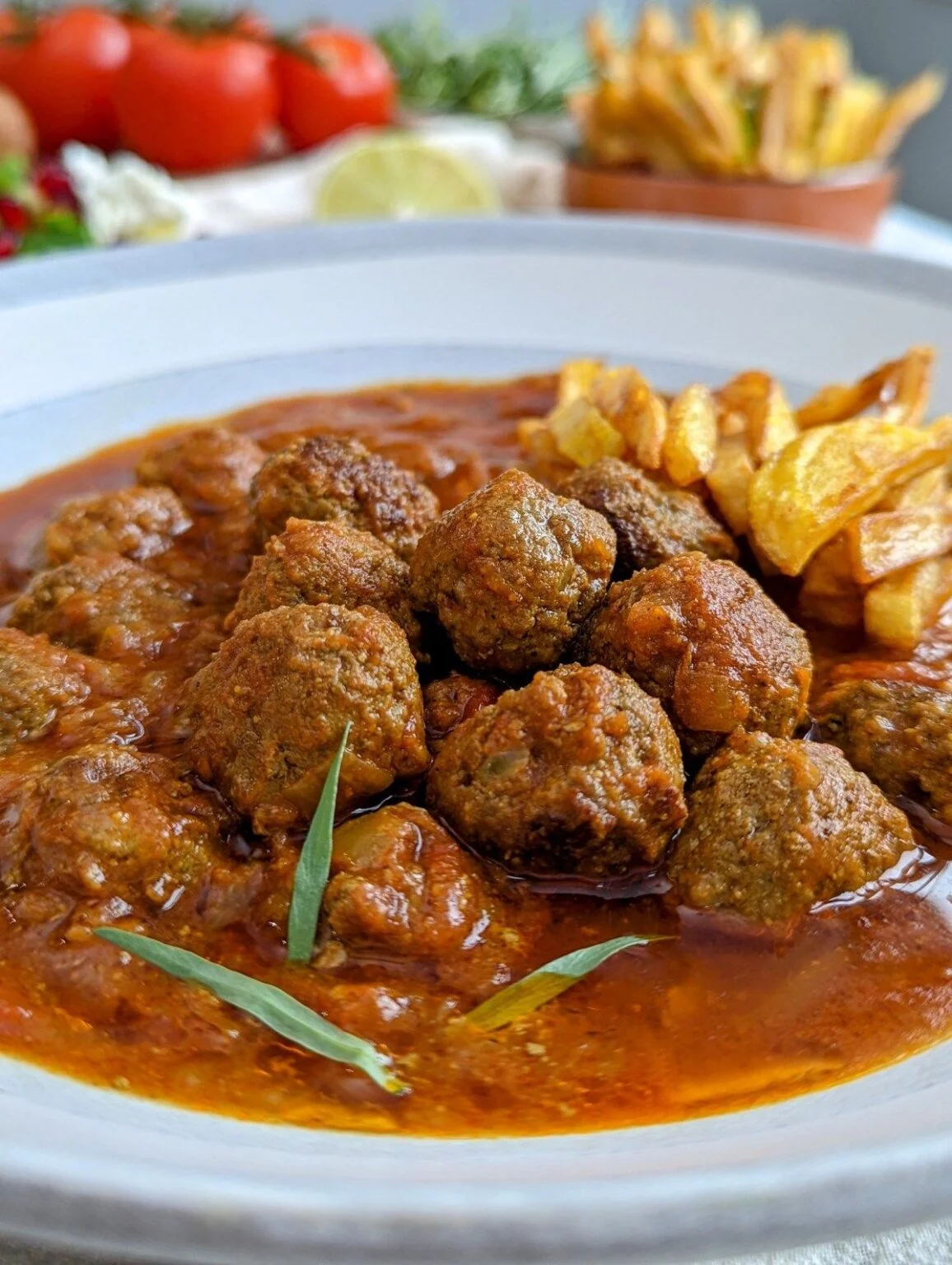
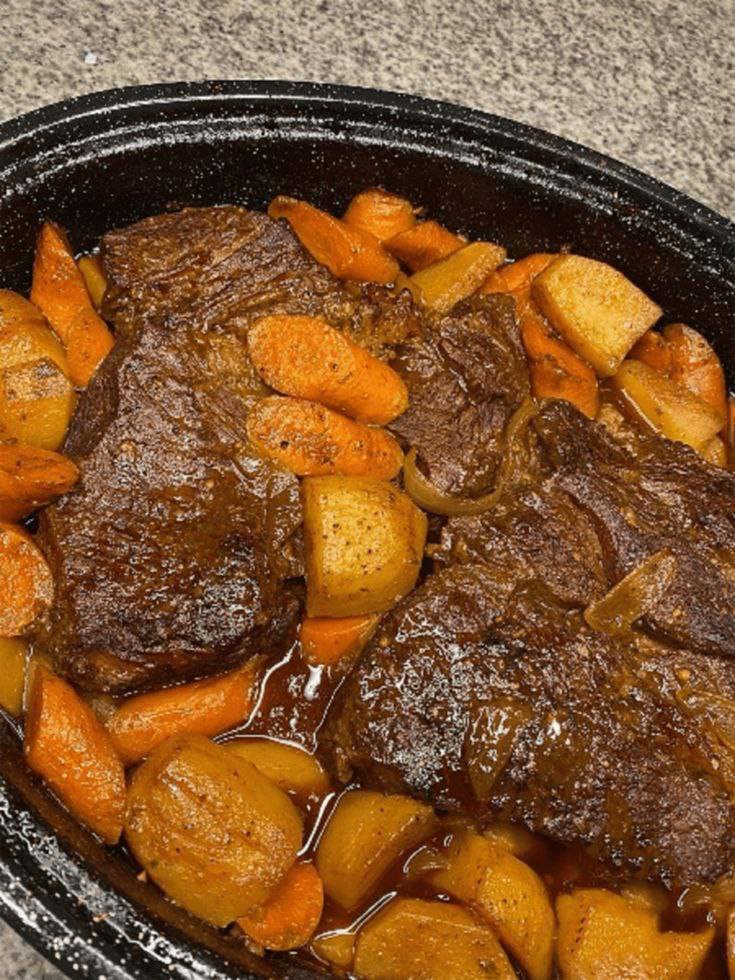
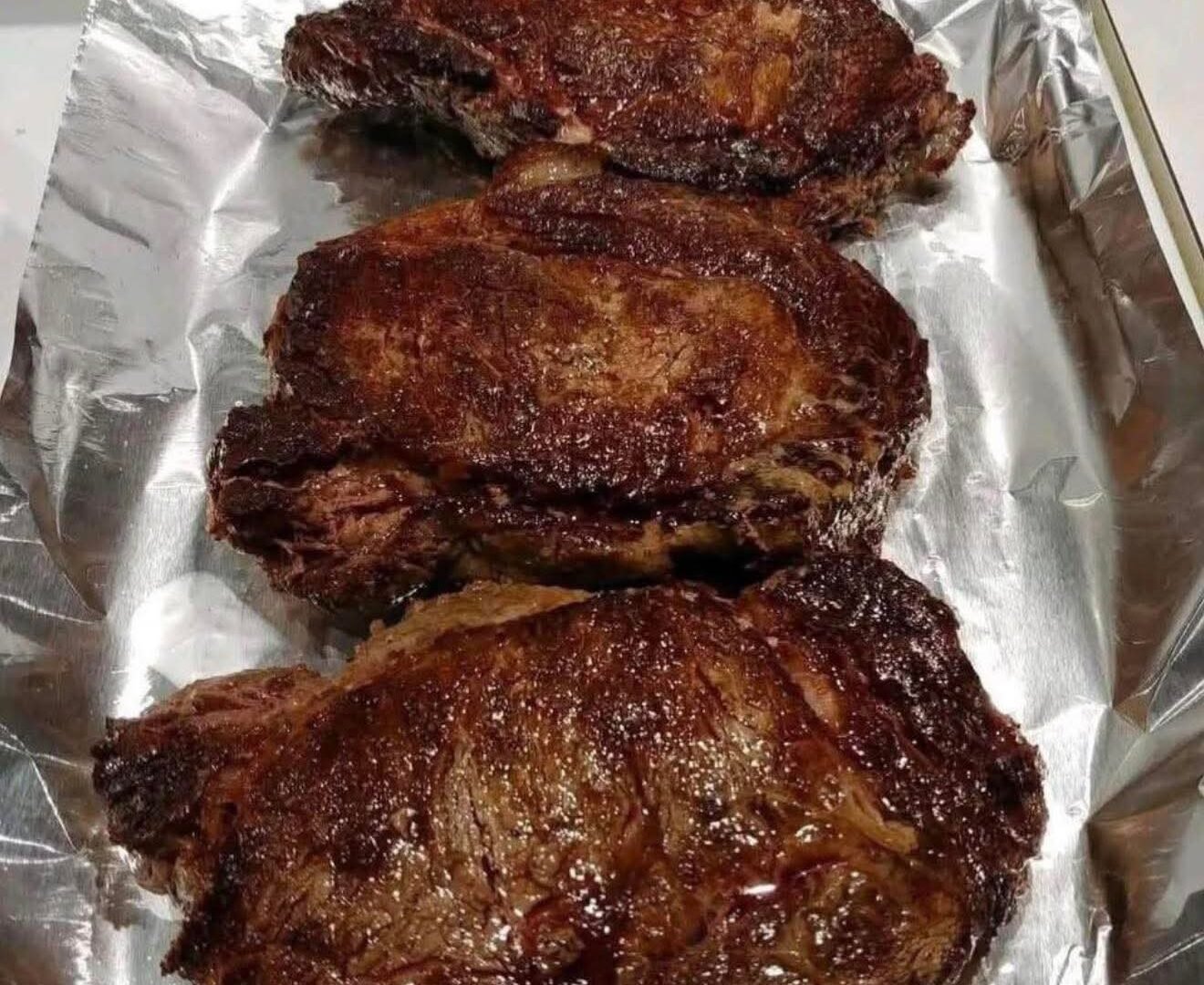
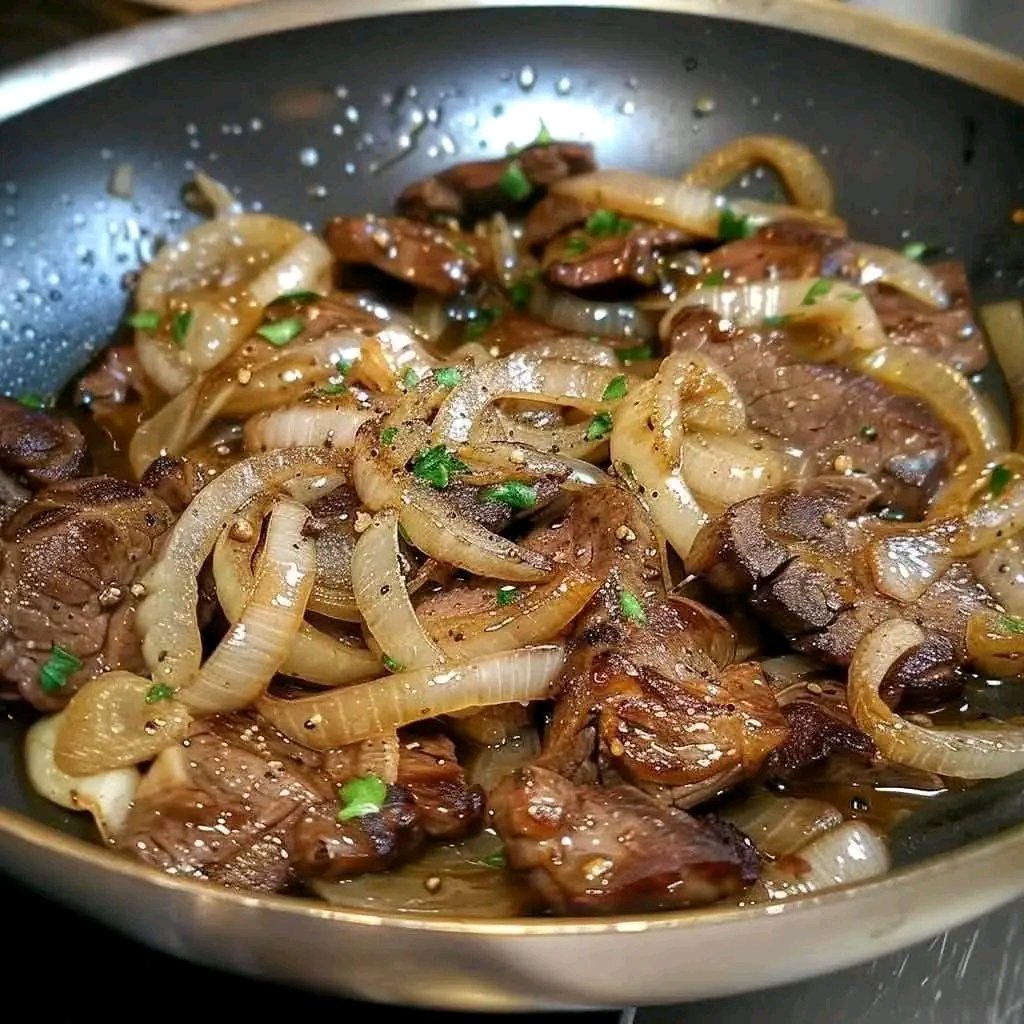
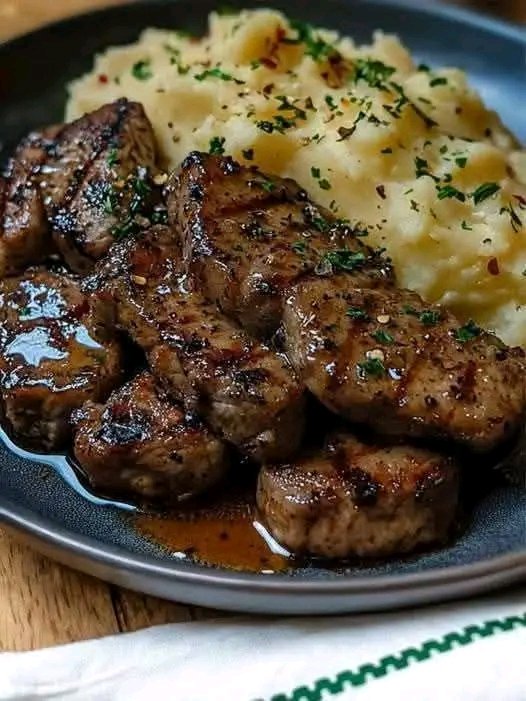
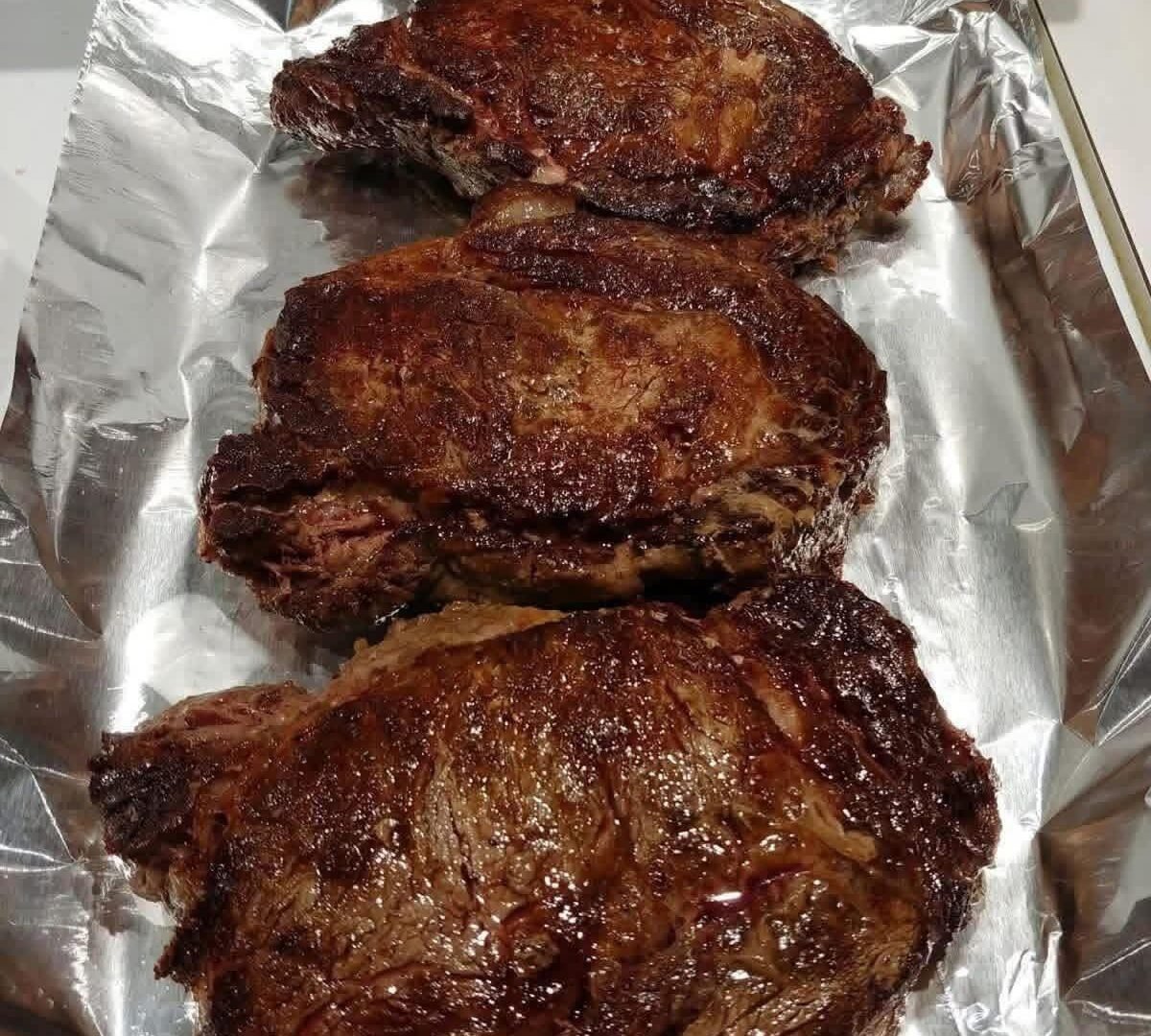
The classic ribeye steak is one of the most beloved cuts of beef in the world. Known for its rich marbling, tenderness, and intense flavor, ribeye delivers a juicy, melt-in-your-mouth experience when cooked properly. Whether pan-seared, grilled, or oven-finished, this steak represents the essence of simple, high-quality cooking—letting the meat shine with minimal ingredients.
🍽️ Free Weekly
Recipes
Get Authentic Hungarian Recipes Every
Week
Join thousands of home cooks. Traditional recipes delivered to
your inbox — free, every week.
No spam. Unsubscribe anytime.
🥗 Nutritional Information (Approx. per serving – 250g steak)
Calories: 600–700 kcal
Protein: 45–55 g
Fat: 45–50 g
Saturated Fat: 18–22 g
Carbohydrates: 0 g
Iron: 15–20% of daily value
Zinc: 40–50% of daily value
(Values vary depending on fat content and cooking method.)
🛒 Ingredients (Serves 2)
2 ribeye steaks (about 1–1.5 inches thick)
2 tbsp olive oil or butter
3 cloves garlic, crushed
2 sprigs fresh rosemary or thyme
Salt (preferably coarse or sea salt)
Freshly ground black pepper
👨🍳 Instructions
Step 1: Bring to Room Temperature
Remove steaks from the fridge 30–45 minutes before cooking. This ensures even cooking.
Step 2: Season Generously
Pat steaks dry with paper towels. Season both sides generously with salt and black pepper.
Step 3: Heat the Pan
Heat a heavy skillet (preferably cast iron) over high heat until very hot. Add oil.
Step 4: Sear the Steak
Place the steak in the pan. Sear for 2–3 minutes without moving until a crust forms. Flip and repeat.
Step 5: Add Flavor
Lower heat slightly. Add butter, garlic, and herbs. Tilt the pan and spoon melted butter over the steak (basting) for 1–2 minutes.
Step 6: Check Doneness
Cook to desired doneness:
Rare: 50°C / 122°F
Medium-rare: 55°C / 131°F
Medium: 60°C / 140°F
Well done: 70°C / 158°F
Step 7: Rest the Steak
Remove from heat and let rest for 5–10 minutes. This keeps the juices inside.
🔥 Cooking Methods
1. Pan-Seared (Classic Method) Best for achieving a crispy crust and juicy interior.
2. Grilled Method Cook over high heat for smoky flavor; perfect for outdoor cooking.
3. Reverse Sear Method Slow-cook in oven first (120°C / 250°F), then sear for a perfect edge-to-edge doneness.
4. Sous Vide Method Cook in a water bath for precision, then sear for crust.
🏺 History
Ribeye steak comes from the rib section of the cow, historically prized by butchers and chefs for its marbling. In traditional European and American cuisines, this cut became a symbol of premium dining. Steakhouses popularized ribeye in the 19th and 20th centuries, making it a staple of fine dining and backyard grilling culture.
🧪 Formation (How the Dish Comes Together)
The perfection of a ribeye steak relies on a few key processes:
Marbling melts during cooking, creating flavor and juiciness
High heat searing forms a caramelized crust (Maillard reaction)
Resting allows juices to redistribute evenly
This balance of heat, fat, and timing creates a steak that is crispy outside and tender inside.
❤️ Lovers of Ribeye Steak
Meat lovers who appreciate rich, fatty cuts
Grill enthusiasts and BBQ fans
Fine dining lovers
Athletes and fitness enthusiasts looking for high-protein meals
🍽️ Serving Ideas
With mashed potatoes or roasted vegetables
Alongside a fresh green salad
With garlic butter or peppercorn sauce
Paired with fries for a steakhouse-style meal
🧠 Tips & Tricks (Methods for Best Results)
Always use high heat for a proper sear
Avoid flipping too often—let the crust develop
Use a meat thermometer for accuracy
Let the steak rest—this is essential
Choose well-marbled cuts for the best flavor
🏁 Conclusion
The classic ribeye steak is a celebration of simplicity and quality. With just a few ingredients and proper technique, you can create a restaurant-quality meal at home. Its rich flavor, juicy texture, and satisfying bite make it a timeless favorite across cultures and generations.
To provide the best experiences, we use technologies like cookies to store and/or access device information. Consenting to these technologies will allow us to process data such as browsing behavior or unique IDs on this site. Not consenting or withdrawing consent, may adversely affect certain features and functions.
Functional
Always active
The technical storage or access is strictly necessary for the legitimate purpose of enabling the use of a specific service explicitly requested by the subscriber or user, or for the sole purpose of carrying out the transmission of a communication over an electronic communications network.
Preferences
The technical storage or access is necessary for the legitimate purpose of storing preferences that are not requested by the subscriber or user.
Statistics
The technical storage or access that is used exclusively for statistical purposes.The technical storage or access that is used exclusively for anonymous statistical purposes. Without a subpoena, voluntary compliance on the part of your Internet Service Provider, or additional records from a third party, information stored or retrieved for this purpose alone cannot usually be used to identify you.
Marketing
The technical storage or access is required to create user profiles to send advertising, or to track the user on a website or across several websites for similar marketing purposes.