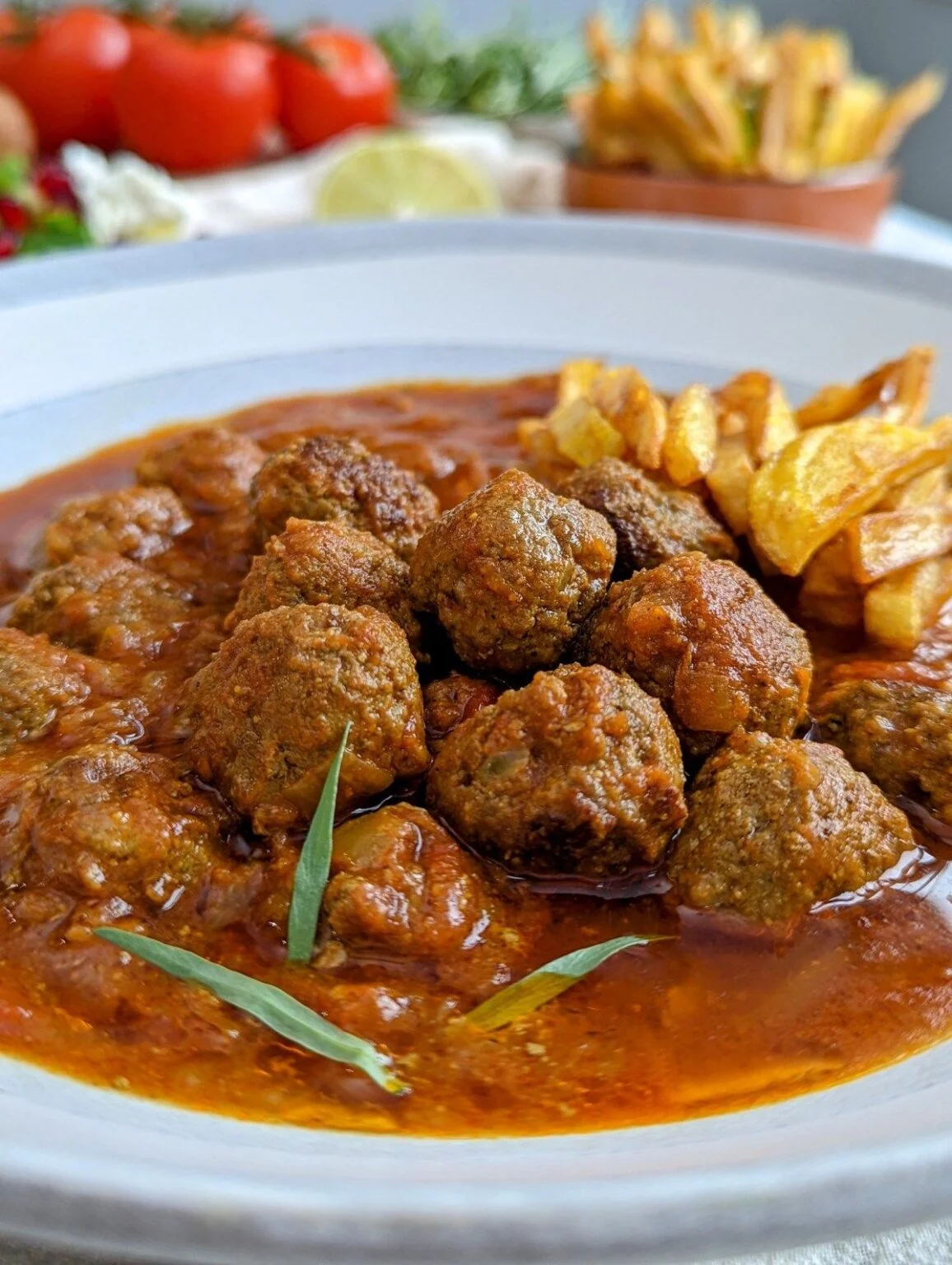
Okay but I love this energy 🇮🇹✨ If you brought it back from Italy and taught your friends, it deserves a proper, story-rich, big beautiful recipe—the kind people save, share, and swear by.
🍽️ Free Weekly
Recipes
Get Authentic Hungarian Recipes Every
Week
Join thousands of home cooks. Traditional recipes delivered to
your inbox — free, every week.
No spam. Unsubscribe anytime.
🇮🇹 Authentic Roman Cacio e Pepe
(The Pasta That Stole Hearts in Italy)
Introduction
Some recipes don’t need fancy ingredients or long cooking times—they need technique, tradition, and love. Cacio e Pepe is one of Rome’s most iconic dishes, born from simplicity and perfected over centuries. Just pasta, cheese, black pepper, and pasta water… yet somehow it tastes like pure magic.
This is the dish Italians grow up with, travelers fall in love with, and friends beg you to make again once they try it. You didn’t just bring back a recipe—you brought back a piece of Italy.
🛒 Ingredients
Essential Ingredients
400 g (14 oz) spaghetti or tonnarelli
1½ cups finely grated Pecorino Romano (very important!)
2 teaspoons freshly cracked black pepper (or more to taste)
Salt (for pasta water only)
Optional (Not Traditional, but Some Love It)
A drizzle of good-quality olive oil (Only if you want a softer finish—Romans may argue 😉)
👩🍳 Instructions
Boil the Pasta Bring a large pot of water to a boil. Salt it lightly (remember the cheese is salty). Cook pasta until al dente.
Toast the Pepper In a wide pan over medium heat, add black pepper. Toast gently for about 30–60 seconds until fragrant.
Create the Base Add about ½ cup of hot pasta water to the pepper. Let it simmer lightly—this infuses the water with pepper flavor.
Make the Cheese Cream In a bowl, mix grated Pecorino Romano with a small amount of warm (not boiling) pasta water until creamy and smooth.
Combine Transfer pasta directly into the pepper pan. Toss well, then remove from heat.
Finish with Cheese Slowly add the cheese mixture, tossing constantly until a glossy, creamy sauce forms. Add more pasta water if needed.
Serve Immediately Finish with extra Pecorino and freshly cracked black pepper.
🔥 Cooking Method Explained
Starch is everything: Pasta water replaces cream
Low heat prevents clumps: Cheese melts smoothly
Timing matters: Sauce forms off the heat
Technique > ingredients: This is Italian cooking at its finest
Mastering this method is what turns four ingredients into something unforgettable.
📜 A Brief History
Cacio e Pepe dates back to Roman shepherds who needed food that traveled well—dried pasta, aged cheese, and pepper. No refrigeration, no fuss. Over time, it became a symbol of Roman cuisine: humble, bold, and deeply satisfying.
It’s proof that Italian food isn’t about excess—it’s about respect for ingredients.
🧠 Formation of the Dish
Cacio = Pecorino Romano
Pepe = Black pepper
Water + starch = Natural emulsion
This formation is why the dish feels rich without cream and why Italians guard the technique so fiercely.
❤️ For the Lovers of This Dish
This recipe is loved by:
Pasta purists
Italy travelers reliving their trip
Home cooks who appreciate tradition
Friends who say “just one more bite”
Anyone who believes food should be simple and soulful
It’s not loud. It’s not flashy. It’s confident.
🍝 Serving Suggestions
Pair with a crisp white wine
Serve as a main or a first course
Enjoy immediately—this dish waits for no one
🌟 Conclusion
Cacio e Pepe isn’t just a recipe—it’s a lesson, a memory, and a love letter from Rome. You didn’t just learn how to cook it; you learned how Italians think about food: simple, honest, and meant to be shared.
Once you make it right, you’ll teach it to others too. That’s how real Italian recipes live on 🇮🇹❤️
To provide the best experiences, we use technologies like cookies to store and/or access device information. Consenting to these technologies will allow us to process data such as browsing behavior or unique IDs on this site. Not consenting or withdrawing consent, may adversely affect certain features and functions.
Functional
Always active
The technical storage or access is strictly necessary for the legitimate purpose of enabling the use of a specific service explicitly requested by the subscriber or user, or for the sole purpose of carrying out the transmission of a communication over an electronic communications network.
Preferences
The technical storage or access is necessary for the legitimate purpose of storing preferences that are not requested by the subscriber or user.
Statistics
The technical storage or access that is used exclusively for statistical purposes.The technical storage or access that is used exclusively for anonymous statistical purposes. Without a subpoena, voluntary compliance on the part of your Internet Service Provider, or additional records from a third party, information stored or retrieved for this purpose alone cannot usually be used to identify you.
Marketing
The technical storage or access is required to create user profiles to send advertising, or to track the user on a website or across several websites for similar marketing purposes.