Here’s a full, emotional, social-media–ready recipe post you can copy and paste.
I chose Pierogi Ruskie (potato & cheese pierogi)—the most iconic Polish Sunday dish, and the one that most often brings people to tears after years away from home.
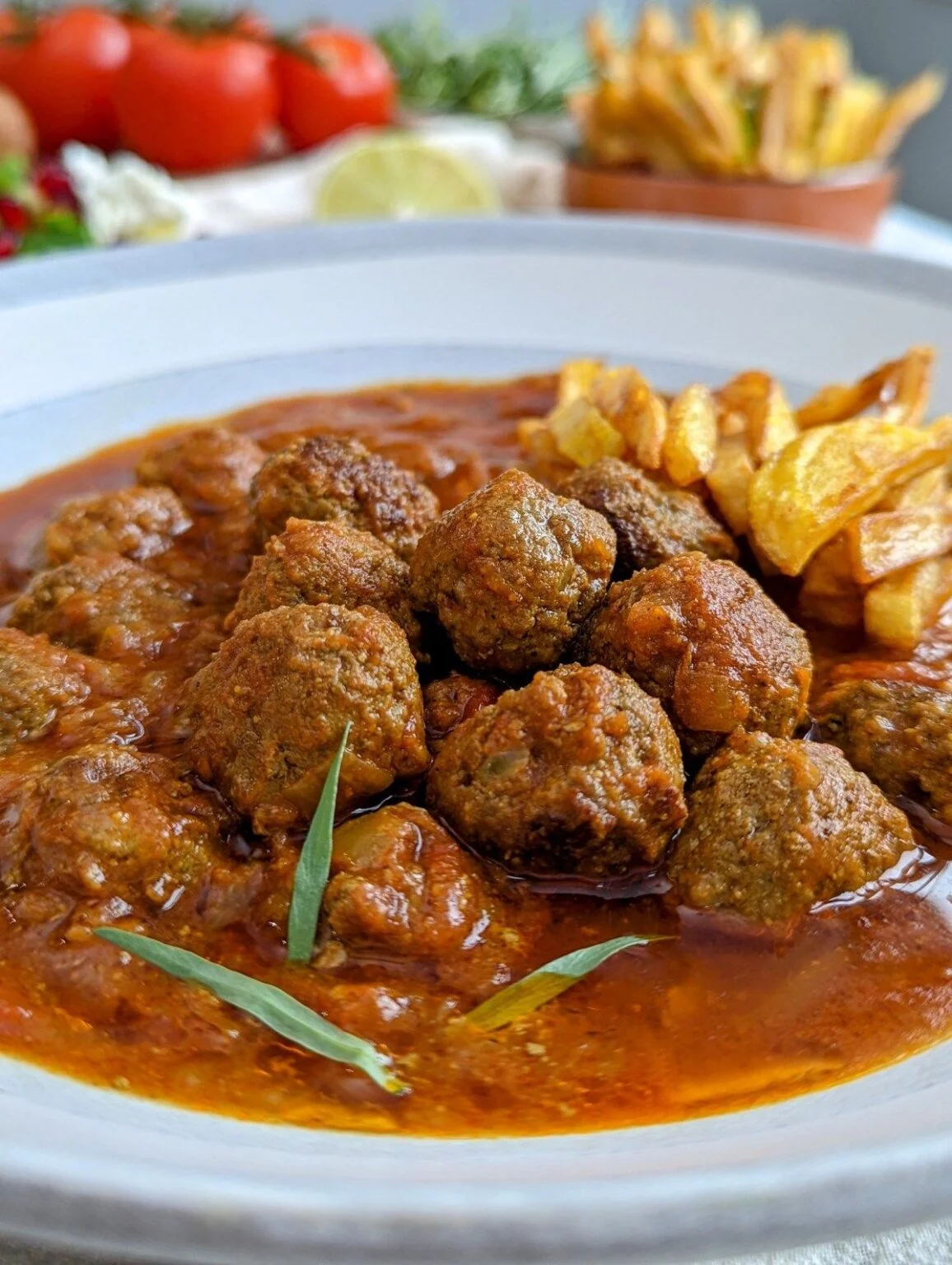
Pierogi Ruskie – A Sunday Memory on a Plate 🇵🇱🥟
My Polish grandma used to make this every Sunday.
I hadn’t tasted it in 20 years… until now.
I cried with the first bite.
Some flavors don’t just feed your body — they bring back kitchens, voices, hands dusted with flour, and Sundays that felt safe. This recipe tastes like my childhood, like patience, like love you didn’t realize was being taught to you one pieróg at a time.
If you’ve ever missed someone and tried to cook your way back to them — this is for you.
⬇️ Recipe below ⬇️
A Little History 🇵🇱
Pierogi are one of Poland’s most beloved traditional foods, dating back centuries. Every region, every household, every grandmother has her own version.
Pierogi Ruskie—filled with potatoes, farmer’s cheese, and onion—were especially common for Sundays: comforting, filling, humble, and made to be shared.
They were never rushed. Making pierogi was an act of love.
Ingredients (Traditional & Simple)
Dough
- 3 cups all-purpose flour
- 1 cup warm water
- 1 egg (optional, but many grandmas used it)
- 1 teaspoon salt
- 2 tablespoons neutral oil or melted butter
Filling
- 2 pounds potatoes, peeled and boiled
- 1½ cups farmer’s cheese or dry cottage cheese
- 1 large onion, finely chopped
- 2 tablespoons butter
- Salt & black pepper to taste
To Serve (Very Important)
- Butter (lots of it)
- Fried onions
- Sour cream
Method & Instructions 👩🍳
1. Make the Dough
- In a large bowl, combine flour and salt.
- Add warm water, oil, and egg (if using).
- Mix until a dough forms, then knead for 8–10 minutes until smooth and elastic.
- Cover and let rest for 30 minutes. (Grandmas never skipped this.)
2. Prepare the Filling
- Mash hot potatoes until smooth.
- Fry onions slowly in butter until golden and sweet.
- Combine potatoes, cheese, onions, salt, and pepper.
- Taste. Adjust seasoning. Taste again.
This filling should be savory, creamy, and comforting.
Formation – How Pierogi Are Shaped 🥟
- Roll dough thin (about ⅛ inch).
- Cut circles using a glass.
- Place 1 tablespoon of filling in the center.
- Fold into a half-moon and pinch edges tightly.
- Seal with fingers or a fork.
This is where stories are usually told at the table.
Cooking Method
- Bring a large pot of salted water to a gentle boil.
- Drop pierogi in batches.
- When they float, cook 1–2 more minutes.
- Remove gently.
Optional (but traditional):
After boiling, pan-fry in butter with onions until lightly golden.
Serving Tradition 🍽️
Serve hot with:
- Melted butter
- Fried onions
- Sour cream
Nothing fancy. Nothing modern. Just right.
For the Lovers of Pierogi ❤️
This dish is for:
- People who miss their grandparents
- Anyone who learned love through food
- Those who know Sundays felt different
- Anyone who cried after the first bite
Pierogi aren’t fast food. They’re memory food.
Conclusion
Some recipes survive because they’re delicious.
Others survive because they carry people with them.
This one carries my grandma.
If you make these, make them slowly.
Let the kitchen fill with steam and silence.
And when you take the first bite — don’t be surprised if you feel something you didn’t expect.
Recipe in comments ⬇️ 🥟💛
If you want, I can:
- Rewrite this shorter for Instagram/TikTok
- Make it more poetic or more instructional
- Adapt it to exact regional Polish style
- Or turn it into a family keepsake recipe page
Just tell me 💛