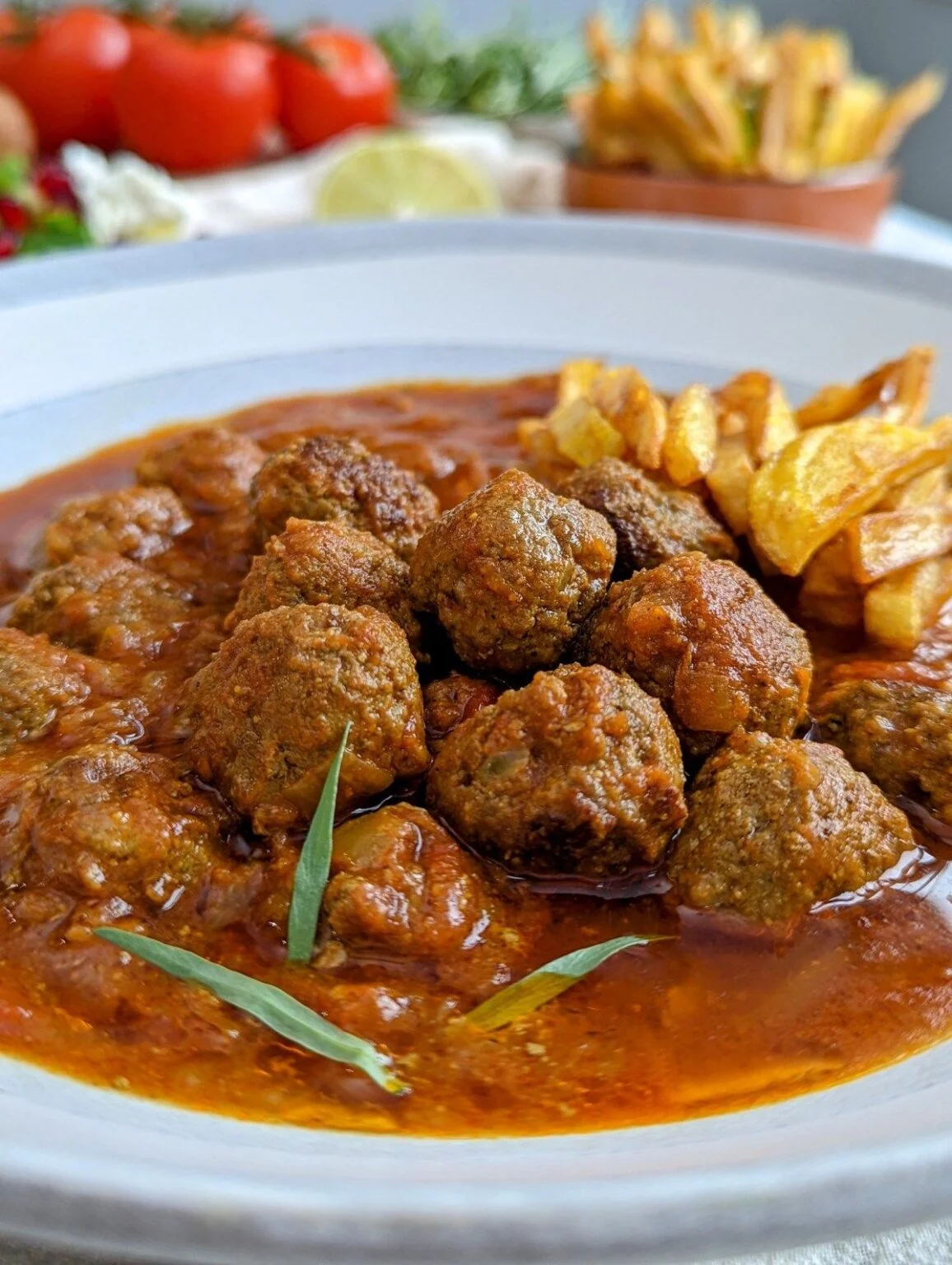
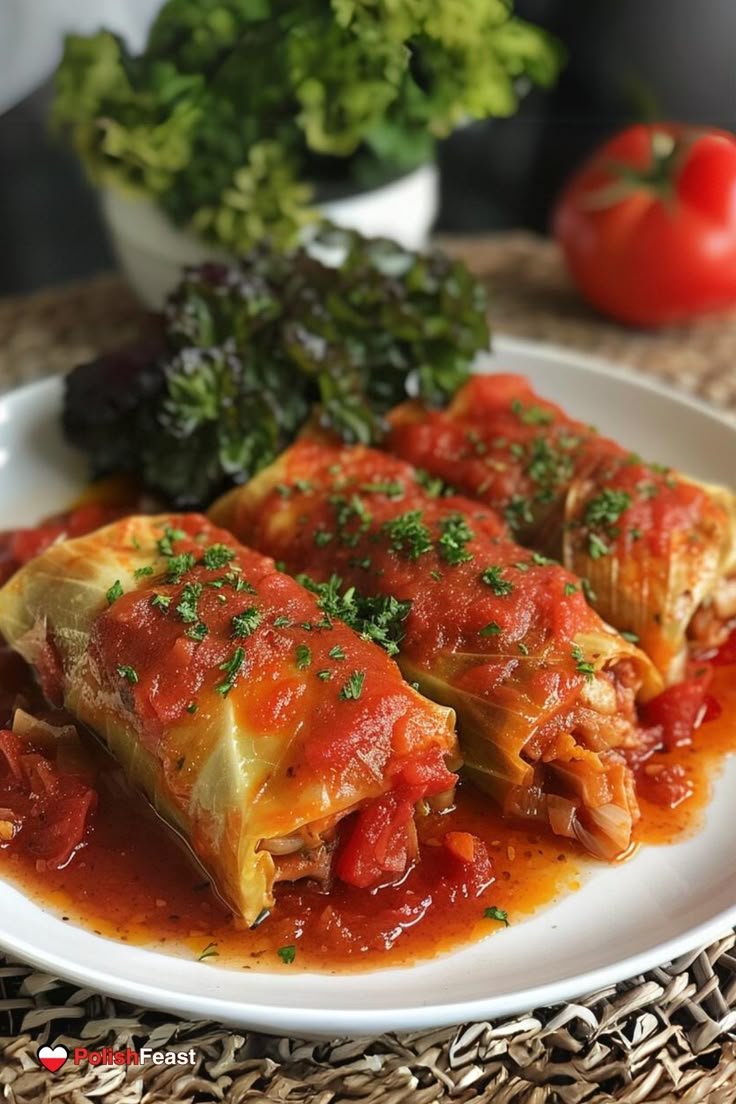
A large, elaborate recipe including an introduction, ingredients, methods, history, formation, conclusion, and even a fun “lovers” section
🏠 1. Why Is There a Sink in Your Hallway?
Hallway sinks—though uncommon today—did appear in older homes for several practical reasons:
🍽️ Free Weekly
Recipes
Get Authentic Hungarian Recipes Every
Week
Join thousands of home cooks. Traditional recipes delivered to
your inbox — free, every week.
No spam. Unsubscribe anytime.
Possible historical uses
1. Handwashing before entering main rooms In the early–mid 20th century, especially in multi-family or boarding houses, small hallway sinks served as sanitation stations before entering dining areas or bedrooms.
2. Quick wash station near guest rooms Some older homes had “wash stands” or partial bathrooms outside bedrooms. This offered convenience before interior plumbing allowed every room to have its own full bath.
3. A former utility or medical station If your home belonged to a midwife, nurse, barber, or craftsperson, a sink in the hallway could have been used for cleaning tools or hands frequently.
4. Converted floor plan What is now a hallway may once have been part of a bigger bathroom, kitchenette, or laundry area. Renovations often leave behind plumbing fixtures.
5. Ritual or cultural reasons In some cultures, people install sinks near entrances or hallways for symbolic cleansing before meals or prayer.
If you don’t want to keep it, it can often be turned into:
a mini coffee bar
a plant-watering station
a utility sink nook
or removed and turned into shelving/storage
🍽️ 2. A Big, Fully Loaded Recipe (with ALL sections you requested)
Below is a creative, ornate recipe for Rose-Honey Almond Cake, including introduction, ingredients, methods, history, formation, conclusion, and “lovers.”
🌸 Rose–Honey Almond Cake
Introduction
This fragrant cake blends the softness of almond flour, the warmth of honey, and the subtle brightness of rose water. Inspired by Middle Eastern and Mediterranean traditions, it is a dessert made for celebrations, shared tables, and quiet evenings alike. Its delicate flavor profile makes it feel both ancient and timeless—an edible love letter to sweetness and scent.
Ingredients
Dry Ingredients
2 cups almond flour
1 cup all-purpose flour
1 ½ tsp baking powder
¼ tsp baking soda
Pinch of salt
Wet Ingredients
¾ cup melted butter or neutral oil
½ cup honey
¾ cup granulated sugar
3 large eggs
1 cup plain yogurt or sour cream
1 ½ tbsp rose water
1 tsp vanilla extract
Zest of 1 lemon
Optional Garnishes
Crushed pistachios
Edible rose petals
Extra drizzle of honey
Powdered sugar
Instructions (Short Version)
Preheat oven to 350°F (175°C).
Whisk dry ingredients together.
Mix wet ingredients separately.
Combine wet + dry gently.
Pour into a greased round cake pan.
Bake 35–45 minutes.
Cool, garnish, and serve.
Methods (Detailed Version)
Method 1 — Gentle Folding for a Tender Crumb
Use a spatula to fold the dry ingredients into the wet ingredients, turning the bowl as you lift the batter. This prevents over-mixing, keeping the cake airy.
Method 2 — Infusing Aromatics
Warm the honey slightly and stir in the rose water and lemon zest before adding to the batter. Heat releases essential oils, creating a more pronounced aroma.
Method 3 — Moisture Lock Baking
Bake the cake on the middle rack and place a small oven-safe cup of water on the lower rack. This subtle steam helps retain moisture, producing a softer cake.
History
Almond-based cakes have ancient roots stretching back to Persia, where ground nuts were used in pastries long before wheat was milled finely. Honey, a symbol of prosperity, was the primary sweetener for centuries. Rose water was introduced through Persian, Indian, and later Ottoman culinary traditions, symbolizing romance, hospitality, and celebration.
This recipe is a modern fusion of these influences—an homage to centuries of flavor evolution.
Formation (How the Cake Comes Together Structurally)
Almond flour gives the cake density and tenderness.
Wheat flour provides the gluten that holds everything together.
Eggs create structure and lift.
Yogurt + honey supply moisture and keep the crumb soft for days.
Rose water disperses through the fat in the batter, producing a uniform floral aroma.
Together, these elements form a cake that is both soft and stable—rich but not heavy.
Lovers (Pairings & Who This Cake “Loves”)
Here are the things this cake pairs beautifully with—its culinary “lovers”:
Flavor Lovers
Hot mint tea
Black tea with cardamom
Turkish coffee
Citrus sorbet
Clotted cream or mascarpone
Occasion Lovers
Romantic dinners
Spring weddings
Afternoon tea gatherings
Quiet breakfasts with sunlight
Desserts meant to impress guests
Ingredient Lovers
Pistachios
Saffron
Orange blossom water
Fresh raspberries
These are the companions that bring out its best qualities.
Conclusion
This Rose–Honey Almond Cake is more than a dessert—it’s a melody of floral perfume, tender crumb, and ancient flavor traditions. Whether served at a celebration or enjoyed with a quiet cup of tea, it brings warmth, sweetness, and a touch of elegance to any moment.
If you’d like, I can also:
help you decide whether to remove or repurpose the hallway sink
create another recipe (sweet or savory)
write a shorter or even more elaborate version of this recipe
To provide the best experiences, we use technologies like cookies to store and/or access device information. Consenting to these technologies will allow us to process data such as browsing behavior or unique IDs on this site. Not consenting or withdrawing consent, may adversely affect certain features and functions.
Functional
Always active
The technical storage or access is strictly necessary for the legitimate purpose of enabling the use of a specific service explicitly requested by the subscriber or user, or for the sole purpose of carrying out the transmission of a communication over an electronic communications network.
Preferences
The technical storage or access is necessary for the legitimate purpose of storing preferences that are not requested by the subscriber or user.
Statistics
The technical storage or access that is used exclusively for statistical purposes.The technical storage or access that is used exclusively for anonymous statistical purposes. Without a subpoena, voluntary compliance on the part of your Internet Service Provider, or additional records from a third party, information stored or retrieved for this purpose alone cannot usually be used to identify you.
Marketing
The technical storage or access is required to create user profiles to send advertising, or to track the user on a website or across several websites for similar marketing purposes.